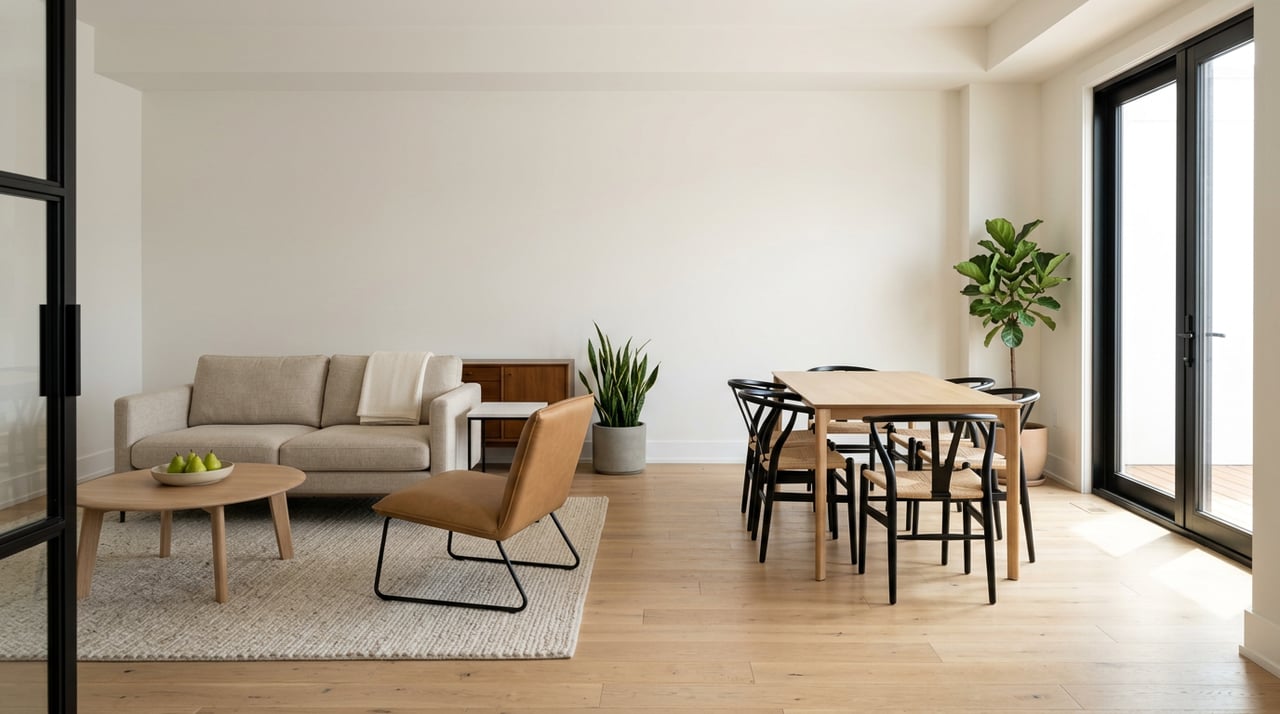
Thinking about a smaller place in Pickering but not sure where to start? You are not alone. Downsizing blends logistics, finances, and a lot of emotion, especially if you have lived in your home for years. This guide gives you a calm, step-by-step plan tailored to Pickering, so you can move with confidence and without last‑minute stress. Let’s dive in.
Why plan now in Pickering
Pickering’s market has held steady in early 2026, with selling prices often clustering from the high $800s to the mid $900s. Check the latest figures before you list by reviewing the TRREB MLS Home Price Index tables and a current snapshot like Zolo’s Pickering trends page when you are ready. Even if you are months away, this context helps you choose the best timing.
Planning early also protects your options. CMHC’s guidance on rightsizing notes that matching your next home to your future needs works best when you start before health or lifestyle changes force a quick move. Reviewing building access, elevators, and walkability now can save you a second move later. If you rely on transit or want quick access to care, keep the Pickering GO Station and Lakeridge Health Ajax & Pickering in mind when you compare locations.
Your step-by-step plan
1) Clarify goals and timing (2–4 weeks)
Start with your “why.” Do you want less maintenance, to free up cash, to be closer to family, or to join a social community? List your must-haves, such as one-floor living, an elevator, parking, and proximity to healthcare. Use CMHC’s guidance on downsizing or rightsizing to think about what you will need in five to ten years, not just today. Decide whether your timing is flexible or fixed, since that affects whether you sell first or buy first.
2) Financial and legal checks (start now)
- Understand tax rules. The sale of a principal residence is generally sheltered by the Principal Residence Exemption, but you must report the sale on your tax return. Review CRA’s page on principal residence reporting, especially if part of your home was used for rental or business.
- Budget closing costs. If you buy again in Ontario, you will pay provincial Land Transfer Tax. Toronto has an extra municipal tax, but Pickering does not. See the province’s Land Transfer Tax guide to estimate your costs.
- Review your mortgage. If you will purchase another home, ask your lender about porting or blend-and-extend options. Porting can help you keep a low rate and avoid penalties, but it requires re-qualification and tight timing. For plain-language context, read MoneySense’s explainer on porting a mortgage in Canada.
3) Choose your sequence and safety nets (1–3 months)
- Sell first. You lock in your sale proceeds and know exactly what you can spend. This choice can mean arranging short-term housing or staying with family between moves.
- Buy first. You secure the home you want and plan your sale around it. The tradeoff is the risk of carrying two mortgages or facing a penalty if your porting window is tight. Bridge financing may help but adds cost. Review the mortgage-porting considerations above to weigh what fits your comfort level.
4) Declutter and value belongings (2–8 weeks)
Work room by room so it feels manageable. Use a simple flow:
- Keep if you use it weekly or it is truly meaningful.
- Gift to family or friends if they will appreciate it.
- Sell items with real value.
- Donate good-condition items so they are out before listing photos.
- Recycle or dispose if unsafe or damaged.
Scheduling donation pickups early prevents last-minute rushes. Durham Region has active ReStore locations for building materials, furniture, and more, and other charities accept usable household goods. Book pickup dates so items leave the home before showings.
5) Prep your home for market (2–6 weeks)
Focus on small, high-impact updates. Fix leaky faucets, touch up neutral paint, replace burnt-out bulbs, and refresh curb appeal. Clear surfaces and remove excess furniture to make rooms feel larger. Professional photos and a simple floor plan help buyers understand your home online, which can boost showing activity.
6) Manage listing, showings, and offers
Create a one-page list of what is included in your sale, such as appliances, window coverings, and outdoor items. Keep a small showing kit ready with keys, feature sheets, utility bill summaries, and any inspection or service records you have. If you have mobility needs or pets, set a showing schedule that works for you, and ask your agent to coordinate assistance.
7) Move and settle into your new home (first 90 days)
Pack an “essentials” box with medications, documents, chargers, and one to two days of clothing and toiletries. Arrange utilities, internet, and insurance so they are active on move-in day. Confirm accessibility in your new space, such as lighting, handrails, and shower safety. If you are moving to a condo, register fobs and book the elevator early.
Evaluate home options in Pickering
Condos, bungalows, and townhomes
- Condos. Low outdoor maintenance and on-site amenities can be a plus. Monthly fees add to carrying costs, so compare what they include and how they have changed over time.
- Bungalows. One-level living reduces stair use and can work well for aging in place. Yard care still applies, but you control your space.
- Townhomes. A middle ground with smaller yards and, sometimes, lower fees than condos. Watch for stair counts and parking.
Important condo due diligence
If you lean toward a condo, make sure your lawyer reviews the status certificate. It outlines the corporation’s budget, reserve fund health, and any planned major work or special assessments. The Condominium Authority of Ontario explains what to look for and timelines in its Condo Buyers’ Guide. Ask what your monthly fee covers, including heat, hydro, parking, cable, and a locker, and review recent board minutes to check for fee changes.
Accessibility and everyday convenience
Prioritize buildings with elevators or ground-floor suites, wide doorways, and a walk-in shower. Look for easy transit access and short drives to essentials. The Pickering GO Station and nearby services, including Lakeridge Health Ajax & Pickering, can make daily life and future appointments simpler and support long-term resale appeal.
Pickering downsizing timeline
- 6–12 months out. Clarify goals, speak with your lender about porting or penalties, and review tax reporting basics so there are no surprises. For an overview, see MoneySense on mortgage porting and CRA’s principal residence reporting.
- 3–6 months out. Declutter room by room, request quotes from movers or estate-clearers, and schedule donation pickups so the house is photo-ready.
- 4–8 weeks before listing. Complete minor repairs, book professional photography, finalize staging, and if you plan to buy a condo, prepare to request a status certificate for your purchase.
- Listing to closing. Coordinate showings, review offers, book your mover, line up utilities, and confirm lawyer details and key handover timing.
Quick checklists you can use
Pre-listing seller checklist
- Confirm mortgage payout details or prepayment penalties with your lender.
- Book professional photos and create a simple floor plan.
- Declutter and remove extra furniture to open up rooms.
- Patch, paint neutral tones, deep clean, and refresh yard/curb appeal.
- Assemble records: recent utility bills, renovation receipts, permits, and appliance manuals.
- Discuss heirlooms with family and plan for gifting or donation.
Downsizing decisions in one line
- Keep if used weekly or deeply meaningful, gift if loved by family, sell if valuable, donate if in good condition, and recycle or dispose if unsafe or damaged.
Minimum condo due diligence
- Request and have your lawyer review the status certificate and the last 12 months of board minutes and budgets.
- Confirm exactly what the monthly fee covers, including utilities, parking, and locker.
- Ask about rules that affect lifestyle and resale, such as pets, smoking, and short-term rentals.
- Check your parking space, visitor parking, and guest access for family visits.
Local Pickering resources
- Property tax relief. Review eligibility for local property tax deferrals and rebates on the City’s page for tax deferrals, grants and rebates.
- Donation and reuse. Durham Region’s Habitat for Humanity ReStore accepts many household items and offers pickups. See the City’s reference to ReStores in the area here, and verify current hours and policies before booking.
- Healthcare access. Learn more about Lakeridge Health Ajax & Pickering when evaluating proximity to medical services.
Market check before you list
Before you settle on price and timing, confirm current benchmarks. Review the latest TRREB MLS Home Price Index tables and a local snapshot such as Zolo’s Pickering trends. In early 2026, many Pickering sales clustered from the high $800s to the mid $900s, but month-to-month changes can shift strategy.
When you are ready for a calm, coordinated plan tailored to your goals, we will help you sequence each step, line up trusted pros, and keep you informed from prep to keys. To start your move with clarity and confidence, connect with Fraser & Co..
FAQs
What is the best time to downsize in Pickering?
- Review recent price and days-on-market trends, then choose timing that matches your needs; early planning usually gives you more choice and less pressure.
Should I sell first or buy first when downsizing?
- Sell first if you want financial certainty and fewer variables, buy first if securing the right home matters most and you can handle timing risks or bridge financing.
How do Ontario condo fees and reserves affect me?
- Fees vary widely by building and can change; have your lawyer review the status certificate and recent minutes to assess reserve fund health and potential increases.
What taxes and costs should I expect when I move?
- Selling a principal residence is usually exempt from capital gains but must be reported; buyers pay Ontario Land Transfer Tax, and your lender can outline any mortgage penalties.
How long does a typical downsizing take?
- Many moves follow a 3–6 month arc from goal setting and decluttering to listing and closing, but starting 6–12 months out reduces stress and last-minute decisions.