If you want a quieter pace without feeling disconnected from the rest of Durham Region, Courtice often lands on the shortlist for good reason. It offers a low-rise suburban setting, practical daily amenities, and access to major roads that can make everyday routines feel more manageable. If you are trying to picture what life here really looks like, this guide will walk you through Courtice’s housing, recreation, commuting, and overall feel. Let’s dive in.
What Courtice feels like
Courtice is best understood as a calm, residential community with a suburban layout and a practical day-to-day rhythm. Planning documents from Clarington describe a place shaped by low-density neighbourhoods, key road corridors, and local mixed-use nodes rather than a dense downtown core.
That matters if you are looking for a setting that feels established and easy to navigate. Instead of a busy urban centre, Courtice is organized around neighbourhood streets, parks, community facilities, and a handful of main corridors where shopping and services tend to cluster.
The street pattern helps create that atmosphere. Clarington’s planning background report describes crescents, some cul-de-sacs, collector roads, and park space woven through residential areas, which supports the sense of a quieter, more low-rise community.
Housing in Courtice
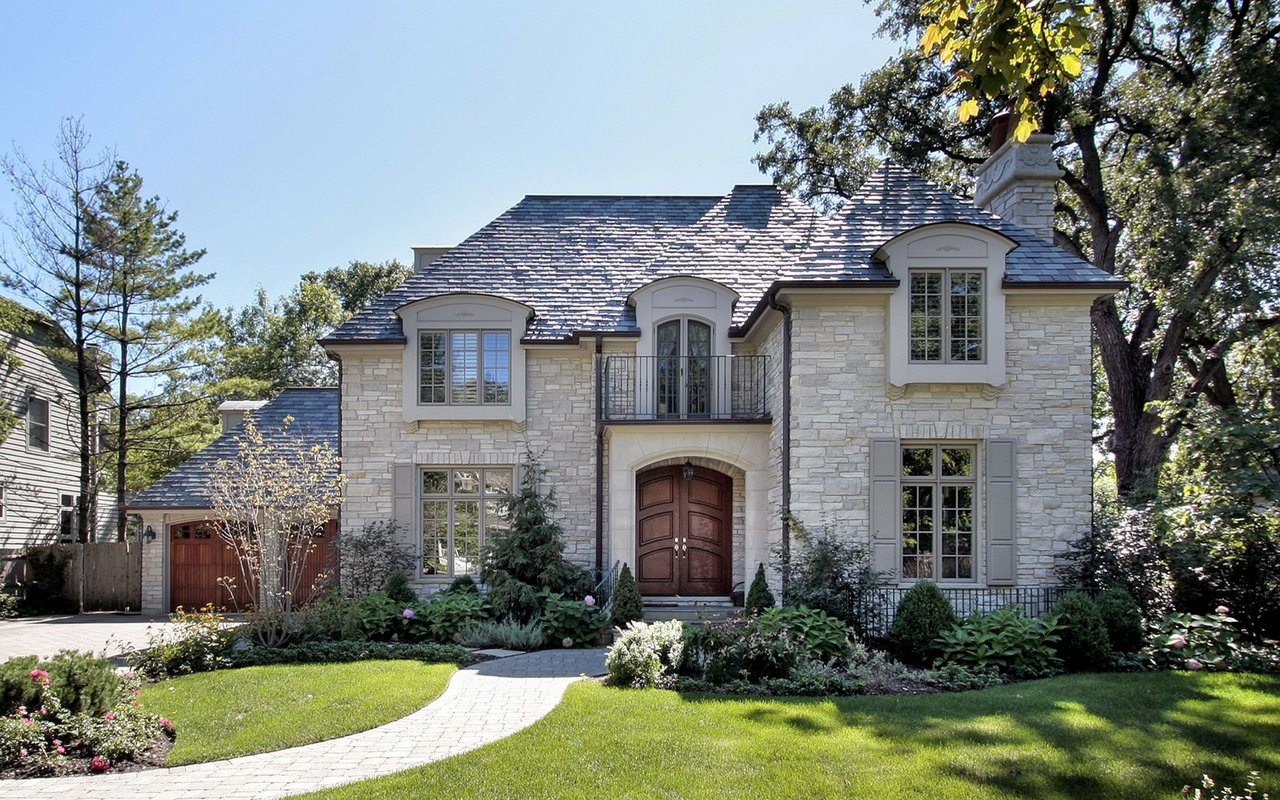
Courtice is mostly a low-rise housing market. The most common forms noted in local planning documents are detached homes, semi-detached homes, and townhouses, with single detached homes still described as the prominent built form in much of the existing community.
If you are picturing towers or a condo-heavy environment, that is not the current identity of Courtice. The area reads more as a suburban community with family-sized homes, neighbourhood parks, and service hubs placed along main roads.
That said, Courtice is also evolving. Clarington’s plans for parts of Southeast Courtice and the Main Street corridor allow for a broader housing mix over time, including stacked townhouses, low-rise apartment buildings, and mixed-use buildings in some areas.
The key takeaway is balance. Courtice is expected to add more housing variety, but the overall direction still points to a community that remains suburban in feel rather than intensely built up.
Daily life and local amenities
One of Courtice’s strengths is that many everyday needs are supported by practical local amenities. You are not relying on a single downtown district for everything. Instead, services are spread through key community nodes and corridors.
A good example is the area around the Courtice Community Complex and Courtice Library at 2950 Courtice Road. The community complex includes a pool, squash courts, a fitness training facility, Wi-Fi, and other indoor amenities, while the library branch offers free Wi-Fi, computer stations, and bookable meeting rooms.
That co-located setup makes the area feel useful in a very everyday way. It is the kind of place where recreation, errands, and community resources can be folded into the same routine.
South Courtice Arena is another important local facility. Located at 1595 Prestonvale Road, it includes two ice pads, a small gymnasium, meeting rooms, and year-round ice.
Clarington also lists several local outdoor spaces in Courtice, including Harry Gay Neighbourhood Park, Rosswell Park, Courtice Memorial Park, and the leash-free dog park beside South Courtice Arena. Together, these amenities support the steady, residential lifestyle that many buyers are looking for.
Green space and outdoor recreation
For a suburban community, Courtice has a strong connection to outdoor space. If trails, parks, and access to the waterfront matter to you, this is one of the area’s more appealing features.
The Courtice Waterfront Trail is a paved lakeside trail of about 1.3 kilometres, according to Clarington. Darlington Provincial Park is also located in Courtice at 1600 Darlington Park Road, giving residents another notable outdoor destination close to home.
Local planning work around the waterfront points to lakeside trails, Tooley Creek, and a future publicly accessible waterfront park as important open-space assets. Clarington’s background materials also identify creek valleys as some of the area’s most visible and valued natural spaces.
In practical terms, this means Courtice offers more than just residential streets and commuter routes. It also gives you places to walk, spend time outdoors, and build a routine around nearby green space.
Getting around from Courtice
Courtice appeals to many buyers because it combines a quieter residential setting with access to Durham’s main transportation routes. Local planning documents identify Courtice Road and Bloor Street as arterial roads, while Durham Highway 2 functions as a major connector through the area.
Highway access is also part of the picture. Courtice sits near Highway 401, and Ontario identifies Highway 418 as the route connecting Highway 401 and Highway 407 in Durham Region.
For many households, that road network is a big part of the appeal. It can make regional travel feel more straightforward, whether you are commuting, running errands across Durham, or staying connected to other parts of the GTA East area.
Transit is available, but it is usually not the main reason people choose Courtice. Durham Region Transit’s Route 421 includes Courtice-area stops and provides service toward Oshawa Station via Bloor Street during peak periods, which can be useful if you mix driving and transit for your commute.
There is also a long-range transit story to watch. Clarington has described future planning that would improve connectivity, including road connections to a future GO Train station, and the municipality has long supported GO expansion to Courtice and Bowmanville. For now, though, that is best viewed as future context rather than current service.
Why Courtice stands out
Courtice tends to appeal to buyers who want space, a low-rise setting, and practical routines. It offers a residential environment with parks, recreation facilities, library access, and road connections that support everyday life without the intensity of a denser urban area.
It can also work well if you are looking for a place that feels established but not static. Planning in Courtice points to gradual growth, more housing choice, and improved connectivity over time, especially in corridor and waterfront areas.
That mix is part of what makes Courtice easy to understand. You are not buying into a place defined by towers or a fast-changing core. You are looking at a community built around neighbourhood streets, outdoor space, local facilities, and a suburban pattern that remains the foundation of daily life.
Is Courtice a fit for you?
If your goal is calm suburban living with useful amenities close at hand, Courtice is worth a closer look. It offers a housing mix that is still led by detached, semi-detached, and townhouse living, plus recreation spaces and transportation links that make the area practical for many kinds of households.
The right fit always comes down to your routine, your goals, and the kind of home life you want to build. If you are comparing Courtice with other Durham communities, it helps to look beyond price alone and think about how the area’s layout, amenities, and transportation options will support your day-to-day life.
If you are considering a move and want calm, clear guidance on what Courtice could mean for your next chapter, Fraser & Co. is here to help you make sense of the options.
FAQs
What is the general lifestyle like in Courtice?
- Courtice is generally described in Clarington planning documents as a quiet, low-rise suburban community organized around neighbourhood streets, parks, community facilities, and main service corridors rather than a dense downtown core.
What types of homes are most common in Courtice?
- The most common home types in Courtice are detached homes, semi-detached homes, and townhouses, with local planning documents identifying single detached homes as the most prominent form in much of the existing built-up area.
What recreation facilities are available in Courtice?
- Courtice includes the Courtice Community Complex, South Courtice Arena, the Courtice Library, several neighbourhood parks, a leash-free dog park, the Courtice Waterfront Trail, and nearby Darlington Provincial Park.
How do commuters get around from Courtice?
- Courtice is connected by Highway 401, Highway 418, Durham Highway 2, Courtice Road, and Bloor Street, and Durham Region Transit Route 421 provides peak-period service between Courtice and Oshawa Station.
Is Courtice becoming more urban over time?
- Clarington’s planning documents show that Courtice is expected to add more housing variety in some corridor and waterfront areas, but the broader direction still supports a predominantly suburban, low-rise character.
What makes Courtice different from a denser urban community in Durham?
- Courtice is defined more by residential neighbourhoods, parks, recreation spaces, and corridor-based services than by high-rise development or a busy urban core, which gives it a calmer and more practical suburban feel.