Wondering whether a townhouse, semi, or detached home makes the most sense in Courtice? It is a common question, especially when you are trying to balance budget, space, commute, and how much upkeep you want to take on. The good news is that Courtice offers a range of housing options, and the choice often becomes clearer once you match each home type to your day-to-day life and long-term plans. Let’s dive in.
Why this choice matters in Courtice
Courtice is one of Clarington’s urban centres, and local planning points toward walkable neighbourhoods, mixed housing types, parks, trails, and active transportation in newer growth areas. According to Durham Region’s overview of Clarington, that bigger planning picture can shape how a home feels to live in now and how appealing it may be later.
That means choosing between a townhouse, semi, or detached home is not only about the purchase price. It is also about how much space you want, how you commute, and what kind of neighbourhood layout fits your routine.
Commute planning matters too. Clarington notes that residents can use Durham Region Transit and GO bus service, while rail service currently starts in Oshawa, and the Bowmanville GO Extension is being advanced with proposed Courtice station plans. If future transit access matters to you, your location within Courtice may play a role in both convenience and resale appeal over time.
What each home type means
Townhouse basics
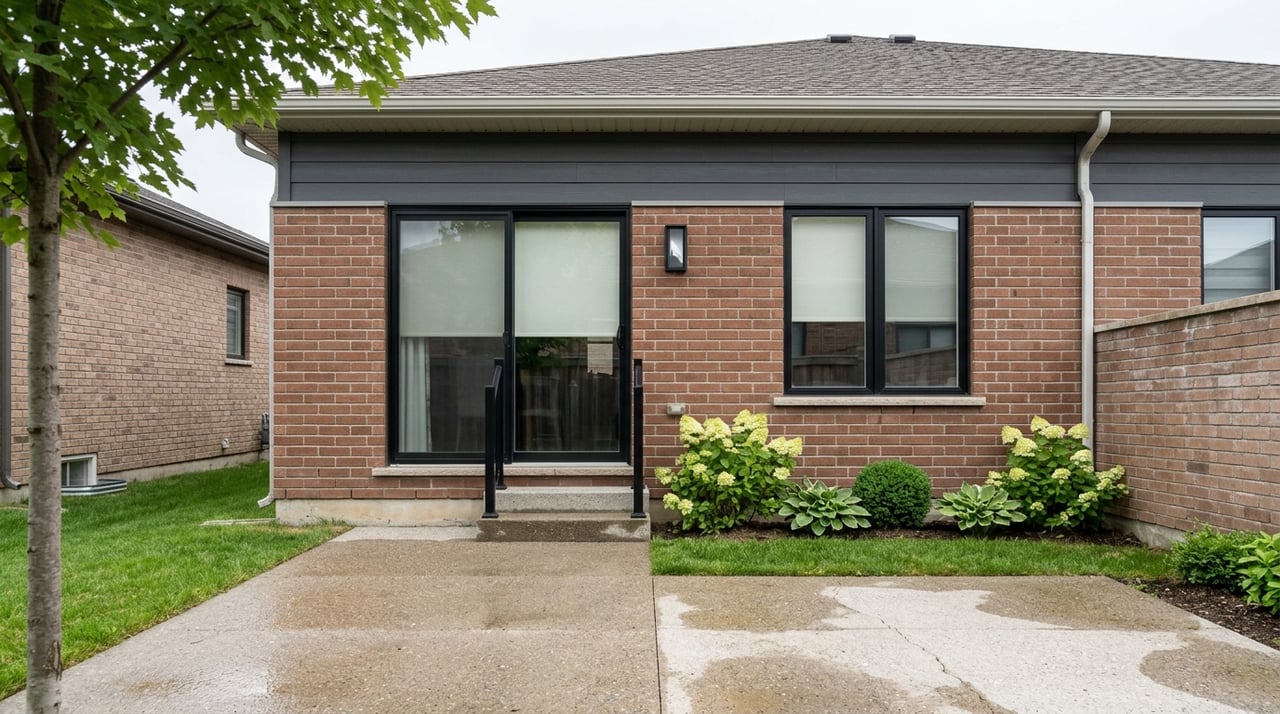
Statistics Canada defines a townhouse, or row house, as one of three or more dwellings joined side by side, with no dwelling above or below. In practical terms, that usually means a more compact layout, less private outdoor space, and a lower entry price than many semis or detached homes.
In current Courtice listings referenced in the research, townhouses commonly offer 2 to 3 bedrooms and roughly 800 to 1,500 square feet, with examples ranging from about $449,900 to $700,000. That range can make townhouses an appealing starting point if you want to enter the market without stretching into detached-home pricing.
One important detail is ownership style. If the townhouse is part of a condo corporation, the Condo Authority of Ontario explains that the corporation maintains common elements and owners must follow condo rules and responsibilities. In Courtice, that means you should confirm whether a townhouse is condo or freehold before comparing monthly costs.
Semi-detached basics
Statistics Canada defines a semi-detached house as one of two dwellings attached side by side or back to back, with no dwelling above or below. In plain terms, a semi usually gives you more separation and more room than a townhouse, while still sharing one wall with a neighboring home.
Recent Courtice examples show semis often around 700 to 2,000 square feet with 3 to 4 bedrooms, and examples in roughly the $700,000 to $899,000 range. That middle position is what makes semis attractive to many buyers who want more flexibility without making the jump to a larger detached budget.
The trade-off is straightforward. You often gain more lot space and interior space than a townhouse, but you still give up some privacy compared with a detached home because of the shared wall.
Detached basics
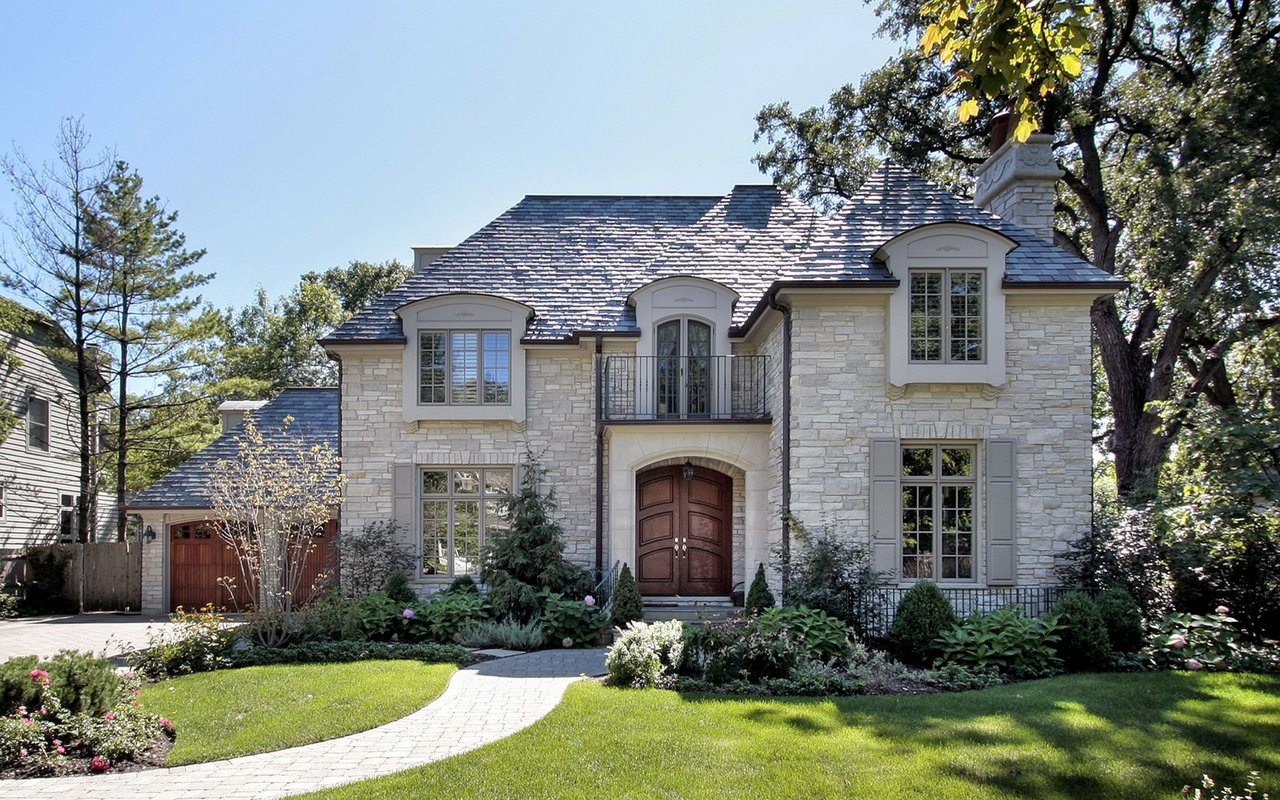
Statistics Canada defines a single-detached house as a free-standing dwelling with open space on all sides and no dwellings above or below it. This is the home type buyers usually picture when they want the most privacy, yard space, and freedom to use the property over time.
Current Courtice detached listings in the research range from roughly $824,900 to over $1.15 million, with sizes from about 1,100 to 3,000 square feet and beyond. The research also notes that Wahi’s Courtice snapshot showed a recent detached median sold price of $800,000, with examples spanning from the mid-$700,000s to well above $1 million.
That extra space and independence comes with more responsibility. CMHC advises buyers to plan for ongoing home maintenance, and that matters most with detached homes, where you are usually taking on the full scope of exterior and yard upkeep.
How the price ladder works
In Courtice, the overall pattern is fairly clear: townhouses tend to be the lower entry point, semis sit in the middle, and detached homes are generally the highest-priced option. The research supports that pattern using current listing examples and market snapshots, even though any individual property can fall outside the typical range.
That price ladder can help you set realistic expectations early. If your budget is tighter and you want to keep monthly costs more manageable, a townhouse may open the most doors. If you need more space but still want to stay below many detached price points, a semi may be the best middle ground.
If your budget allows for detached, the question becomes less about whether you can buy one and more about whether you want the extra maintenance and carrying costs that come with it. A larger home can be valuable, but only if it supports the way you actually live.
Maintenance matters more than buyers expect
Purchase price gets most of the attention, but maintenance can shape your experience just as much. A lower-stress home type can sometimes be the better fit, even if you originally thought you wanted more house.
Detached homes usually come with the largest share of exterior upkeep. That can include lawn care, snow removal, roofing, siding, and general repair planning over time. If you want full control and do not mind the work or cost, that may feel worthwhile.
Semis still require regular homeowner care, but the overall footprint is often smaller. For many buyers, that creates a useful balance between space and responsibility.
With condo townhouses, some exterior and common-area responsibilities may shift to the condo corporation. That can be convenient, but it also means you need to review fees, bylaws, and reserve fund information carefully so you understand what is covered and what is not.
How Courtice’s market affects your decision
The current Courtice market appears to give buyers some room to think. The research notes that Wahi identified Courtice as a balanced market in February 2026, with about 3 months of inventory and 24 days on market.
For you, that can mean a little more breathing room to compare home types thoughtfully rather than rushing into the first option that appears. At the same time, well-priced and well-presented homes can still move quickly, so being clear on your priorities helps you act with confidence when the right fit shows up.
This is where structure matters. If you already know your comfort level on budget, maintenance, location, and future plans, it becomes much easier to sort through listings without second-guessing every option.
Which home type may fit you best
A townhouse may fit if you want
- A lower entry price compared with many semis and detached homes
- Less exterior upkeep, especially in a condo townhouse setting
- A practical first step into Courtice homeownership
- Predictability around space and carrying costs
A townhouse can be a smart option if your goal is to get into the market, keep things manageable, and stay focused on function over square footage. It can also work well if you value location and convenience more than a large yard.
A semi may fit if you want
- More room than a typical townhouse
- A bit more outdoor space and separation
- A price point below many detached homes
- Flexibility for changing needs over time
A semi often appeals to buyers who are trying to balance present needs with future plans. If you want more breathing room but still care about keeping costs in a reasonable range, this home type often lands in the sweet spot.
A detached home may fit if you want
- The most privacy
- More yard space
- Greater layout flexibility over time
- Room for a growing household or long-term adaptability
Detached homes usually suit buyers who are thinking beyond today’s checklist. If you expect your space needs to grow or want more independence in how you use and maintain your property, detached may be the right long-term match.
Questions to ask before choosing
Before you decide, it helps to ask a few practical questions:
- Is the townhouse freehold or condo, and what do the fees cover?
- How important is commuting flexibility now, and how much do you care about the area’s future transit plans?
- Do you want a neighbourhood that aligns with Courtice’s planning direction around walkability, parks, trails, and mixed housing?
- How much maintenance do you realistically want to handle over the next 5 to 10 years?
- Are you buying for today, or are you trying to create room for the next chapter as well?
These questions can save you from choosing the “best” home on paper but the wrong home for your lifestyle. In many cases, the right answer is the property that supports your routine with the least friction.
The smartest way to decide
If you are choosing between a townhouse, semi, and detached home in Courtice, try to think in layers. Start with budget, then move to maintenance, then location, then long-term flexibility. When you use that order, the decision often becomes clearer.
Courtice gives you options, which is a good problem to have. With a balanced market, a mix of housing types, and future transit and community planning in motion, you have a real opportunity to choose with intention instead of pressure.
If you want a calm, structured way to compare your options in Courtice, Fraser & Co. can help you sort through the numbers, the trade-offs, and what actually fits your next chapter.
FAQs
What is the main difference between a townhouse, semi, and detached home in Courtice?
- A townhouse is one of three or more homes attached side by side, a semi is one of two attached homes, and a detached home stands on its own with open space on all sides.
What is the typical price difference between Courtice townhouses, semis, and detached homes?
- Based on the research, townhouses in Courtice were roughly $449,900 to $700,000, semis were around $700,000 to $899,000, and detached homes ranged from about $824,900 to over $1.15 million.
What should buyers check before buying a townhouse in Courtice?
- You should confirm whether the townhouse is freehold or condo and review what any monthly fees cover, along with the rules and responsibilities tied to the property.
How does maintenance differ by home type in Courtice?
- Detached homes usually require the most owner maintenance, semis typically require a moderate amount, and condo townhouses may shift some exterior and common-area upkeep to the condo corporation.
How does commuting affect a home choice in Courtice?
- Commuting can influence which part of Courtice fits you best, especially with current GO bus and transit options, Oshawa rail access, carpool lots, and the future Bowmanville GO Extension under consideration.
Is Courtice a good market for comparing home types right now?
- The research describes Courtice as a balanced market in February 2026, which suggests buyers may have some time to compare options carefully, although strong listings can still move quickly.