Choosing between a condo and a freehold home in Pickering can feel simple until you map it against your actual week. If you commute into Toronto, the right choice is not just about square footage or price. It is about how you want your mornings to feel, what monthly costs you can carry comfortably, and how much home maintenance you want in your life. Let’s break it down clearly so you can compare both options with more confidence.
Why this choice matters in Pickering
For Toronto commuters, Pickering sits in an interesting middle ground. You can access the Lakeshore East GO line from Pickering GO, connect with Durham Region Transit, and benefit from Ontario’s One Fare program when transferring between GO Transit, DRT, and TTC.
That transit setup makes Pickering especially appealing if you want more value than Toronto without losing rail access. It also means your home type can shape your daily routine in a very real way.
Pickering prices: condo vs freehold
The biggest difference between condos and freehold homes in Pickering is the entry price. Based on TRREB May 2026 data, the average detached home price in Pickering was $1,145,207, while the average condo apartment price was $462,269.
That means the average condo price was about $682,938 less than the average detached home. In percentage terms, the condo average was about 40.4% of the detached average, which is a meaningful gap for buyers comparing down payment needs, mortgage size, and monthly carrying costs.
Semi-detached homes sit in the middle. In May 2026, the average semi-detached price in Pickering was $858,060, which can make it a practical middle-ground option if you want more space than a condo but are not ready for detached pricing.
Quick price snapshot
| Home type | Average price in Pickering | What it often means for buyers |
|---|---|---|
| Condo apartment | $462,269 | Lower entry point and often easier monthly access |
| Semi-detached | $858,060 | Mid-range option with more space |
| Detached | $1,145,207 | Highest price, more space, more autonomy |
What condos offer Toronto commuters
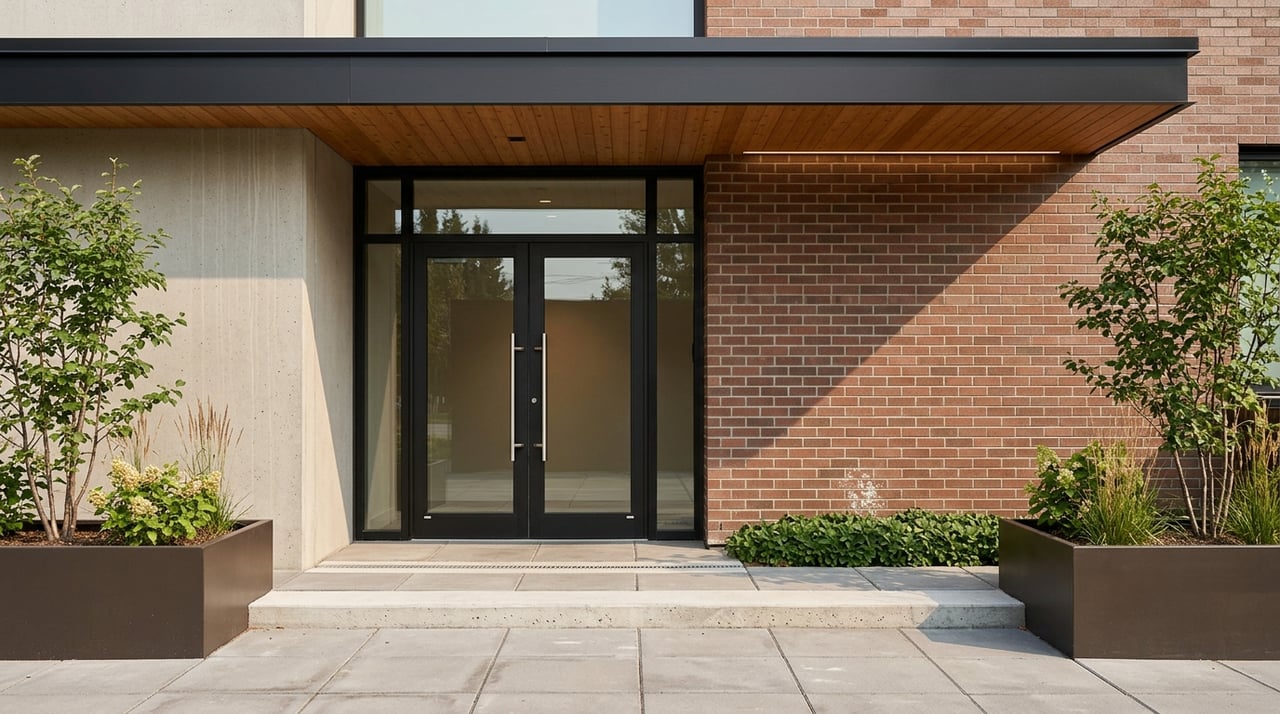
If your week revolves around getting into Toronto efficiently, a condo can be the more practical fit. Condos closer to Pickering GO or the City Centre often line up well with a transit-first routine.
Pickering GO is located at 1322 Bayly Street and connects with Durham Region Transit. The station also offers free customer parking, which gives you added flexibility if you do not live within walking distance.
For many buyers, the real benefit is time and simplicity. If you can reduce the need for a long drive before your train ride, your commute may feel much more manageable day to day.
Condo advantages for commuters
- Lower upfront purchase price than a typical detached home
- Often better alignment with transit-oriented living
- Less hands-on exterior maintenance
- Easier fit for buyers who want a simpler routine
- Pricing in line with the Durham condo average and below the GTA condo average
The broader GTA condo market also matters here. TRREB reported elevated condo inventory in early 2026, with buyers benefiting from substantial choice and negotiating power. That can create more room to compare buildings, review fees carefully, and avoid rushing.
What freehold offers instead
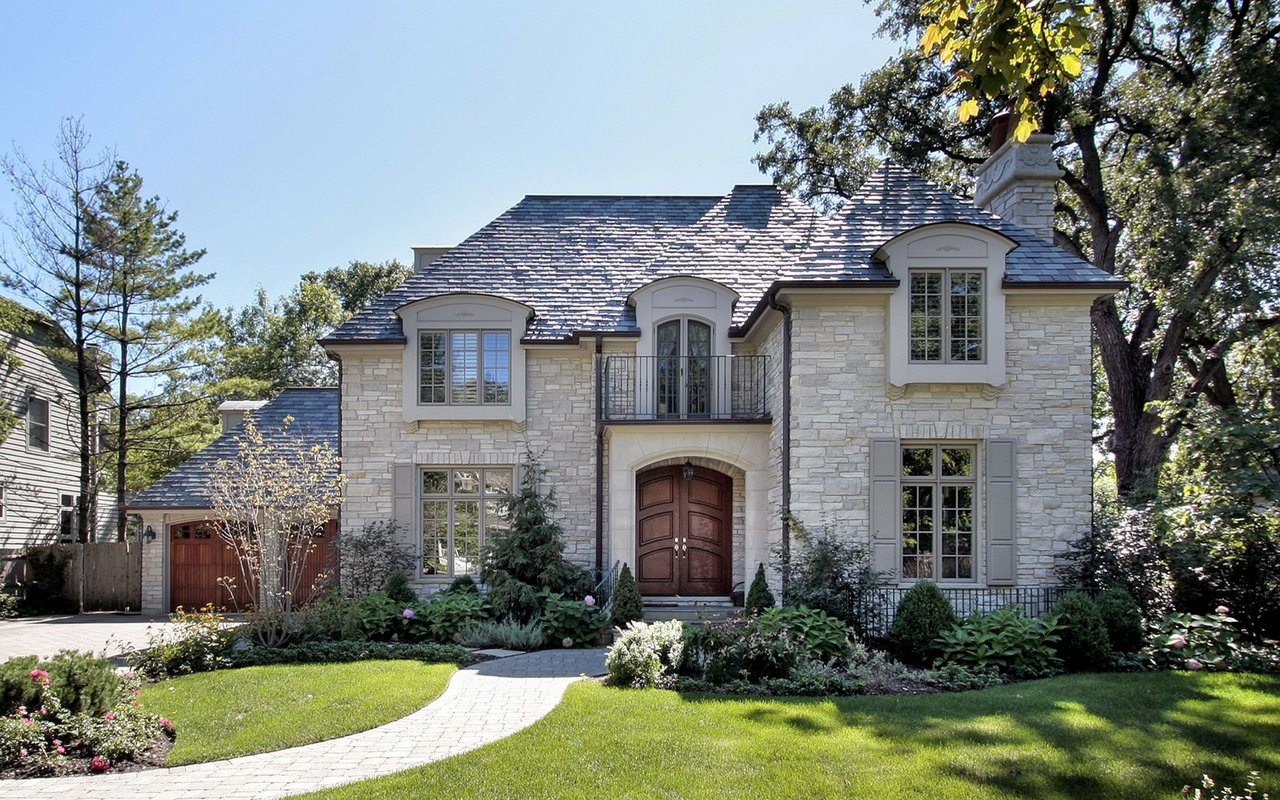
Freehold ownership usually appeals to buyers who want more indoor and outdoor space, more privacy, and more control over the property. If you are planning around a home office, storage needs, hobbies, or simply more separation between rooms, that extra space can matter.
In Pickering, freehold can also appeal if your lifestyle is less centered on walking to transit and more centered on home use. Some buyers are happy to trade a more involved commute for a yard, a driveway, or a larger layout.
That said, the trade-off is not small. A freehold home farther from Pickering GO may add driving time, a DRT connection, or park-and-ride planning to your morning.
Freehold advantages for commuters with different priorities
- More indoor living space
- Private outdoor space
- More control over repairs and home decisions
- Better fit if you value autonomy over convenience
- Potentially a stronger match for longer-term space needs
Monthly costs: predictable vs flexible
Price is only one part of the decision. Your monthly ownership experience can feel very different in a condo versus a freehold home.
With a condo, you will usually pay monthly common expenses. In Ontario, these fees typically support common elements, reserve-fund contributions, cleaning, building maintenance, and condo management services.
That structure can create more predictability. Instead of handling every exterior issue on your own, part of that upkeep is built into the condo’s monthly system.
With a freehold home, you do not pay condo fees, but you usually take on responsibility for the roof, exterior walls, lawn, garden, driveway, and garage. That gives you more control, but it also means repairs and replacements can arrive unevenly and sometimes unexpectedly.
A simple way to think about it is this: condo fees often buy predictability, while freehold ownership often buys control. Neither is automatically better. It depends on what helps you feel more comfortable month to month.
Property taxes in Pickering
Property taxes are another cost line worth comparing. Pickering’s 2025 residential tax rate was 0.01288240, and residential taxes are based on assessed value.
Using that rate as a rough proxy, the average detached home price would imply about $14,753 in annual property tax. The average condo price would imply about $5,955 annually.
That is a difference of about $8,798 per year. Actual taxes will vary because they depend on MPAC assessment and annual tax rates, but the comparison helps show how price differences can keep affecting your budget after closing.
Condo due diligence matters
If you are leaning toward a condo, the building matters just as much as the unit. A lower purchase price can look attractive at first, but you still need to understand the health of the condominium corporation.
The Condominium Authority of Ontario says buyers should review the status certificate for reserve-fund and governing-document information before buying. Reserve-fund planning is especially important because stronger reserve funding helps reduce the potential for special assessments and debt.
What to review before buying a condo
- Status certificate
- Reserve-fund information
- Bylaws and governing documents
- Common expense history
- Signs of upcoming major costs
This is one area where a calm, organized buying process matters. You want to know not just what the condo costs today, but how the building is being managed for the years ahead.
Lifestyle fit in Pickering
Your commute matters, but it is not the whole story. Pickering’s planning direction points toward more urban, transit-oriented growth, especially around mixed-use and City Centre areas.
The City Centre vision includes a more walkable downtown with condos, retail, and amenities. The City Centre Transportation Master Plan also says the city’s population is expected to exceed 150,000 by 2036.
For some buyers, that makes condo living near the GO station or City Centre feel like a smart lifestyle match. You may value easier access to transit, daily conveniences, and a lower-maintenance routine.
For others, Pickering’s appeal includes its broader lifestyle options. The city has 7.6 kilometres of Lake Ontario waterfront, with about 5 kilometres publicly accessible, 2.7 kilometres of beach, and access to the Waterfront Trail.
That can shift the equation. You might decide the added work of a freehold home is worth it if a larger space, yard, or different home setup better supports your life outside work.
Which option may suit you best
There is no one-size-fits-all answer, but there is usually a clearer answer once you weigh budget, commute tolerance, and stage of life together.
A condo may suit you if:
- You want a lower entry price
- You commute to Toronto regularly
- You value simpler upkeep
- You want more predictable maintenance costs
- You prefer being closer to transit and City Centre amenities
A freehold may suit you if:
- You want more indoor or outdoor space
- You are comfortable managing repairs yourself
- You can absorb higher monthly carrying costs
- Your commute is flexible or less frequent
- You want more control over the property
A semi-detached may be worth a closer look if:
- You feel priced out of detached homes
- You want more space than a condo offers
- You want a middle ground on price and layout
- You are balancing commuting needs with longer-term family plans
The real question to ask yourself
Instead of asking which property type is better, ask which one fits your actual routine best. The right home should support the way you live now, not just the version of life that looks good on paper.
If your priority is a smoother Toronto commute and a lower entry point, a condo in Pickering may be the stronger fit. If your priority is space, autonomy, and room to grow into the home, freehold may make more sense, even with the added cost and maintenance.
A thoughtful decision here can save you stress later. When your budget, commute, and lifestyle all line up, the choice becomes much easier to stand behind.
If you want help comparing condo, semi-detached, and freehold options in Pickering with a clear plan for your commute, budget, and next steps, Fraser & Co. can help you sort through it calmly and strategically.
FAQs
Should Toronto commuters buy a condo or freehold in Pickering?
- It depends on your budget, commute routine, and space needs. Condos are typically the lower-maintenance, transit-friendly option, while freehold homes offer more space and control.
What is the average condo price in Pickering?
- Based on TRREB May 2026 data, the average condo apartment price in Pickering was $462,269.
What is the average detached home price in Pickering?
- Based on TRREB May 2026 data, the average detached home price in Pickering was $1,145,207.
Are condo fees in Ontario worth it for Pickering buyers?
- Condo fees can be worth it if you value predictable shared maintenance costs, building management, and less hands-on upkeep, but you should still review the status certificate and reserve-fund information carefully.
What should condo buyers review before buying in Pickering?
- Condo buyers should review the status certificate, reserve-fund information, bylaws, governing documents, and common expense history.
Is Pickering GO useful for Toronto commuters?
- Yes. Pickering GO sits on the Lakeshore East corridor, connects with Durham Region Transit, offers free customer parking, and works with One Fare transfers involving GO Transit, DRT, and TTC.
Are property taxes usually lower on condos than detached homes in Pickering?
- In general, lower-priced homes often carry lower property taxes. Using Pickering’s 2025 residential tax rate as a rough proxy, the average condo price implies much lower annual property tax than the average detached price.