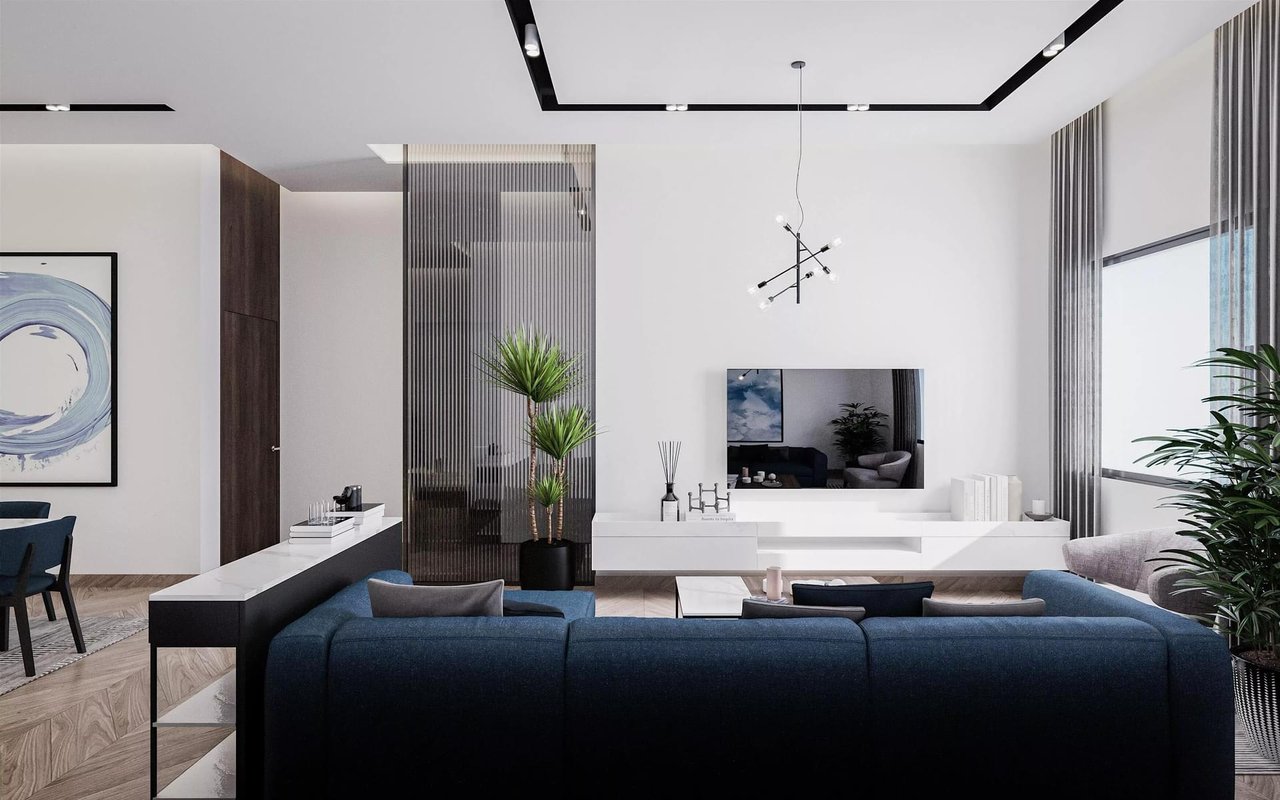
The air you breathe at home plays a significant role in your overall health and well-being. With people spending an average of 90% of their time indoors, indoor air quality (IAQ) has become a crucial factor in maintaining good health. Poor IAQ can lead to various health issues, including allergies, respiratory problems, headaches, and fatigue. Ensuring a healthier home environment involves reducing pollutants, managing humidity, and optimizing ventilation.
This blog will provide essential tips for creating a healthier home by improving indoor air quality, minimizing toxins, and fostering a clean, breathable living space for you and your family.
1. Prioritize Ventilation
Good ventilation is the cornerstone of healthy indoor air quality. It helps remove stale air, pollutants, and moisture, replacing them with fresh, clean air from the outside. Proper ventilation is essential for controlling indoor humidity levels and preventing the buildup of allergens, mold, and other harmful contaminants.
How to Improve Ventilation:
- Open Windows Regularly: Even a few minutes a day can help circulate fresh air, reducing indoor pollutants. If weather permits, keep windows slightly open to allow for a constant flow of air.
- Use Exhaust Fans: Install and use exhaust fans in kitchens, bathrooms, and laundry rooms to vent moisture and odors directly outside. Regularly clean these fans to maintain their efficiency.
- Consider a Whole-House Ventilation System: If your home is well-insulated and airtight, a mechanical ventilation system can help ensure a steady supply of fresh air while removing indoor air pollutants.
2. Control Humidity Levels
Humidity plays a vital role in air quality. Too much moisture can lead to mold growth, which can trigger allergic reactions and respiratory issues. On the other hand, overly dry air can irritate your skin, eyes, and respiratory tract.
Tips for Managing Humidity:
- Use Dehumidifiers: In humid climates or areas like basements, dehumidifiers can help maintain optimal humidity levels between 30-50%, reducing the risk of mold growth.
- Install a Humidity Monitor: A hygrometer or humidity monitor can help you keep track of indoor humidity levels and make necessary adjustments.
- Fix Leaks and Drips: Leaky pipes, roofs, and windows can introduce moisture into your home. Address any leaks promptly to prevent mold and mildew.
- Ventilate After Cooking or Showering: Use exhaust fans or open windows when cooking or showering to reduce moisture buildup.
3. Keep Indoor Air Clean with Houseplants
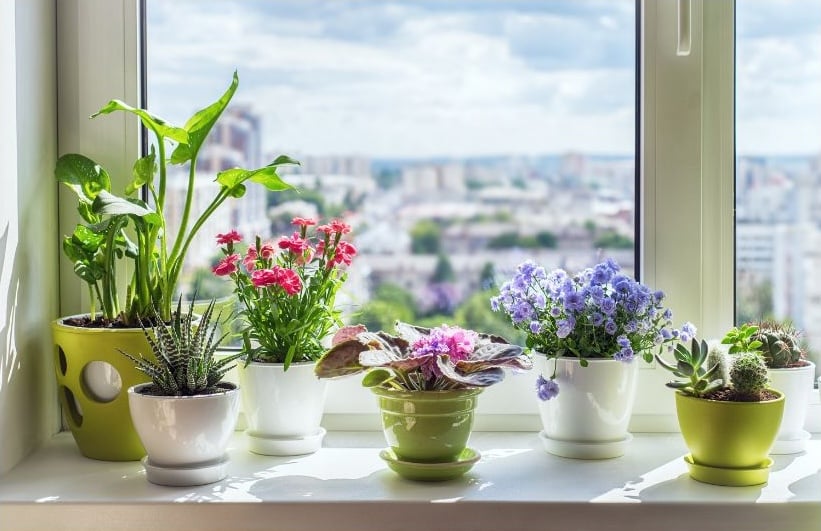
Houseplants are natural air purifiers that can help remove toxins from the air. Certain plants are particularly effective at filtering out harmful chemicals like formaldehyde, benzene, and trichloroethylene, which are often found in common household items.
Recommended Air-Purifying Plants:
- Spider Plant: Effective at removing carbon monoxide, formaldehyde, and xylene.
- Peace Lily: Known for filtering out ammonia, benzene, formaldehyde, and trichloroethylene.
- Boston Fern: Particularly effective at removing formaldehyde and xylene.
- Snake Plant (Mother-in-Law's Tongue): Removes toxins such as formaldehyde and nitrogen oxides.
While houseplants can help improve air quality, it's essential not to rely on them solely. Use them as a complementary method alongside proper ventilation and humidity control.
4. Minimize Indoor Pollutants and Toxins
Many everyday household products and materials can release volatile organic compounds (VOCs) and other harmful substances into the air. Reducing or eliminating these pollutants is critical for maintaining a healthier home.
Tips for Reducing Indoor Pollutants:
- Choose Low-VOC or VOC-Free Products: Opt for paints, cleaning supplies, and building materials labeled as low-VOC or VOC-free to minimize harmful emissions.
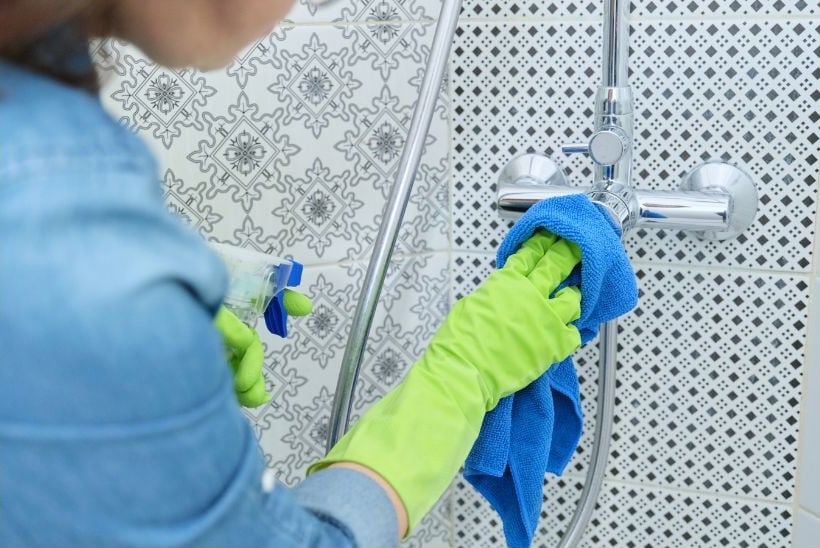
- Use Natural Cleaning Products: Traditional cleaning products often contain harsh chemicals that can release toxins into the air. Switch to natural alternatives, such as vinegar, baking soda, and essential oils.
- Avoid Synthetic Fragrances: Air fresheners, scented candles, and other synthetic fragrances can emit harmful chemicals. Instead, use essential oil diffusers or natural air purifiers like activated charcoal.
- Ensure Proper Ventilation During Home Improvements: When painting, staining, or using adhesives, keep the area well-ventilated to disperse harmful fumes.
5. Regularly Clean and Maintain Your Home
A clean home is a healthy home. Dust, dirt, and allergens can accumulate quickly, affecting the air quality and potentially triggering allergies and asthma.
Key Cleaning Tips:
- Dust and Vacuum Regularly: Use a vacuum with a HEPA filter to capture small particles, dust mites, and allergens that traditional vacuums might miss. Don’t forget to vacuum under furniture, rugs, and carpets.
- Wash Bedding and Curtains: Dust mites thrive in bedding, pillows, and curtains. Wash these items regularly in hot water to reduce allergen buildup.
- Clean Air Ducts and Filters: HVAC systems can harbor dust, mold, and bacteria. Regularly replace or clean air filters and consider having your air ducts professionally cleaned every few years.
- Declutter Your Space: Clutter attracts dust and can harbor allergens. Regularly declutter to minimize dust collection and keep your home organized.
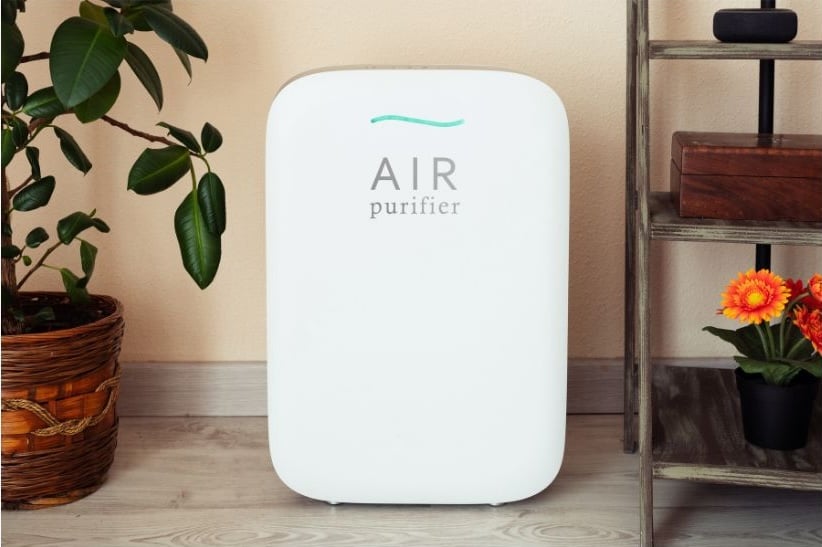
6. Invest in Air Purifiers
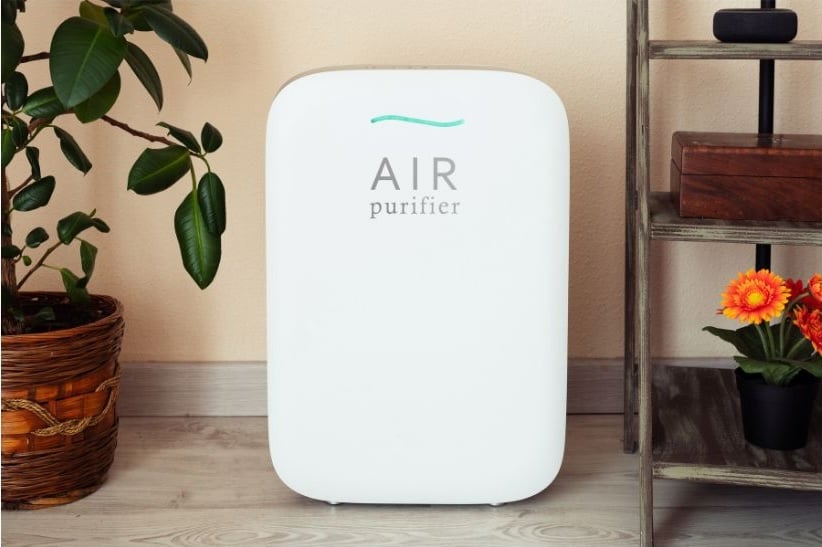
Air purifiers can be an effective way to remove pollutants, allergens, and toxins from indoor air. They are particularly useful for people with allergies, asthma, or other respiratory conditions.
What to Look for in an Air Purifier:
- HEPA Filters: High-Efficiency Particulate Air (HEPA) filters are designed to capture 99.97% of airborne particles as small as 0.3 microns. Look for air purifiers with HEPA filters for maximum effectiveness.
- Activated Carbon Filters: These filters can help remove odors, smoke, and VOCs, making them a great choice for kitchens and living areas.
- Size and Placement: Ensure that the air purifier is suitable for the room size and place it in areas where you spend the most time, such as bedrooms and living rooms.
7. Test for Radon and Other Harmful Substances
Radon is a naturally occurring radioactive gas that can seep into homes from the ground. It’s odorless, tasteless, and invisible, making it hard to detect without proper testing. Long-term exposure to radon can increase the risk of lung cancer.
Steps to Test for Radon:
- Purchase a Radon Test Kit: You can buy a radon test kit online or from a local hardware store. Follow the instructions carefully and send the test to a lab for analysis.
- Hire a Professional: If you prefer, you can hire a certified radon professional to conduct the test and provide mitigation recommendations if elevated levels are found.
- Other Substances to Test For: Consider testing for other indoor pollutants, such as asbestos, lead, and carbon monoxide, especially if you live in an older home.
8. Create a No-Shoe Policy
Shoes can track in dirt, pesticides, pollen, and other pollutants that can affect indoor air quality. Instituting a no-shoe policy can significantly reduce the amount of contaminants introduced into your home.
Tips for a No-Shoe Policy:
- Provide a Shoe Rack or Storage Solution: Place a shoe rack or basket by the entrance to encourage family members and guests to remove their shoes.
- Offer House Slippers or Socks: Keep a selection of clean house slippers or socks by the door for guests who prefer not to walk barefoot.
9. Choose Non-Toxic Furniture and Flooring
Furniture and flooring materials can be significant sources of indoor air pollution. Many conventional products release VOCs and other harmful chemicals over time, a process known as off-gassing.
Safer Alternatives:
- Opt for Solid Wood Furniture: Instead of particleboard or pressed wood, choose solid wood furniture that doesn’t contain formaldehyde or other harmful adhesives.
- Select Natural Flooring: Consider natural flooring materials such as hardwood, bamboo, or cork, which are less likely to emit harmful chemicals than synthetic carpets and vinyl.
- Look for Green Certifications: When shopping for furniture and flooring, look for certifications like GREENGUARD or FSC (Forest Stewardship Council), which indicate lower emissions of harmful substances.
10. Maintain a Healthy Sleeping Environment
The bedroom is where you spend a significant portion of your time, so it's essential to ensure it promotes restful and healthy sleep.
Tips for a Healthy Bedroom:
- Use Hypoallergenic Bedding: Choose bedding materials that are hypoallergenic and resistant to dust mites, such as cotton or bamboo.
- Invest in a Quality Mattress: Opt for a mattress made of organic or natural materials to minimize exposure to harmful chemicals.
- Keep Electronics Out: Electronic devices can emit low levels of electromagnetic radiation and disturb your sleep. Keep them away from your bed or, better yet, out of the bedroom entirely.

Conclusion
Creating a healthier home environment is a multi-faceted process that involves improving indoor air quality, reducing toxins, and adopting healthier habits. By prioritizing ventilation, controlling humidity, minimizing indoor pollutants, maintaining cleanliness, and choosing safe materials, you can significantly enhance the air quality in your home. These essential tips not only help you breathe easier but also contribute to a more comfortable, safe, and healthy living environment for you and your family. Start implementing these changes today to enjoy a fresher, cleaner home that supports your well-being.