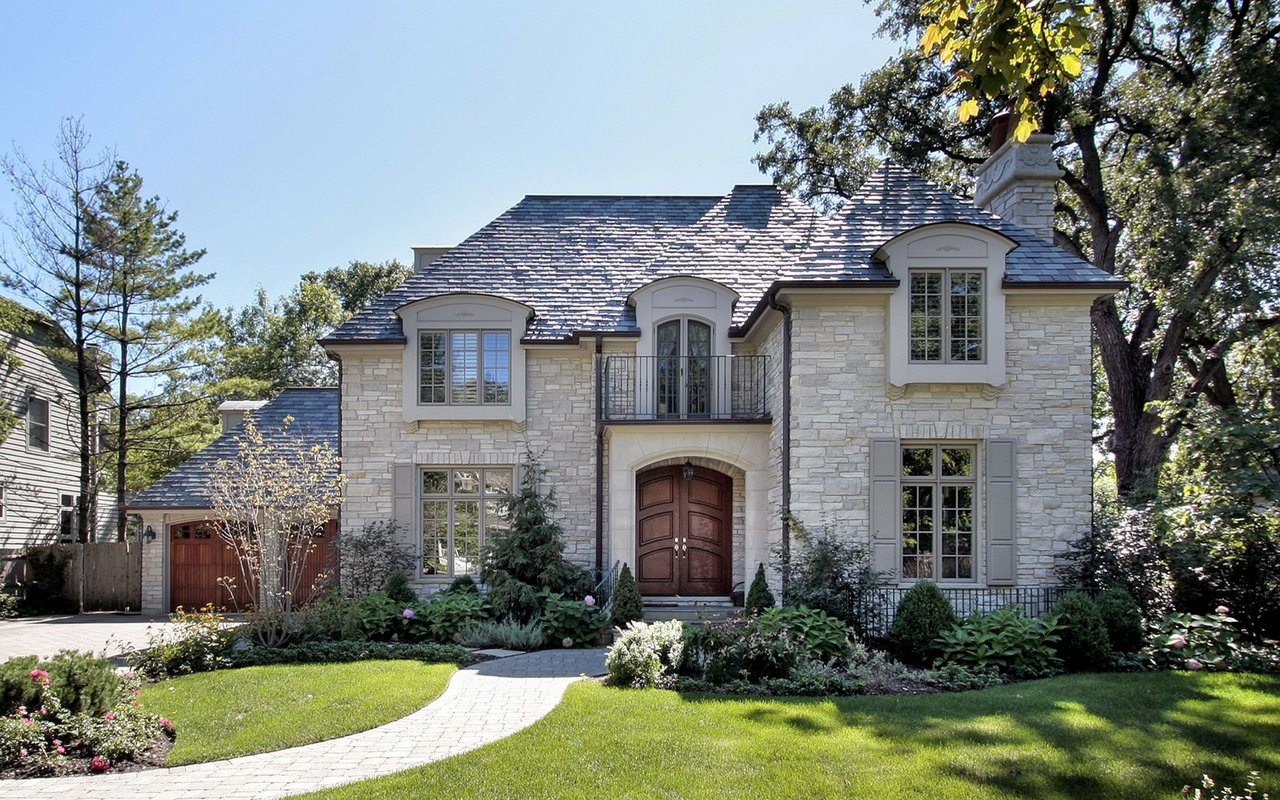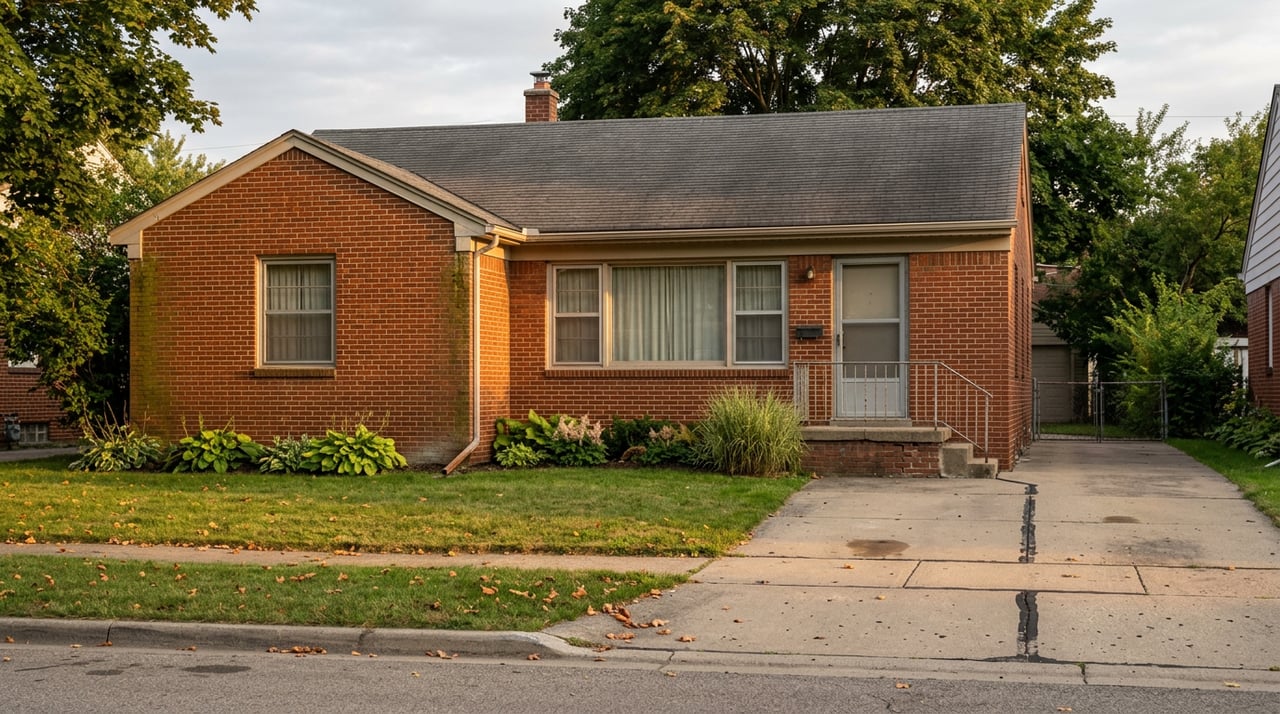
It's a familiar sequence in Eastdale, O'Neill, and Oshawa's other pre-1960s pockets: an inspection on an older bungalow turns up knob-and-tube wiring in the attic, exactly what you'd expect from a house built before 1960. The buyer's side treats it as a repair line item, gets a contractor's number, and negotiates a few thousand dollars off the price. Everyone feels like the problem got solved.
It didn't, not really. The repair quote answers the wrong question. The question that actually decides whether this closes on schedule is what the buyer's insurance broker says when asked to bind a policy on that address, and that call often doesn't happen until the week of closing, when there's no runway left to fix whatever it turns up.
The wiring problem is a financing problem
Most Canadian insurers have treated active knob-and-tube wiring as an unacceptable risk since the mid-2000s, and a financed purchase almost always needs a bound insurance policy before a lender will release funds at closing. That single requirement is what turns an inspection finding into a scheduling risk rather than a bargaining chip. If the insurer won't bind, the mortgage doesn't fund. The price you negotiated stops mattering.
The way this plays out in the current Ontario insurance market falls into three patterns. Some insurers won't write a new policy at all on a home with active knob-and-tube. Others will bind the policy on the condition that the wiring gets fully removed and certified within a set window, commonly 30, 60, or 90 days after the sale closes. A smaller group will renew an existing policy at a real premium increase, usually after requiring proof of a safety inspection.
Aluminum wiring, common in homes built through the 1960s and 1970s, gets a different but related response. It isn't dangerous in the same way as knob-and-tube (the failure mode is thermal expansion at connection points rather than fire from contact with insulation), but insurers still weigh it separately and may require an inspection or partial rewiring before they'll issue coverage. Either way, the buyer needs an answer from an insurer, not just a contractor, before the condition period closes.
What the numbers actually look like
| Issue | Typically found in | What an Ontario insurer usually wants | Rough cost to resolve |
|---|---|---|---|
| Knob-and-tube wiring | Homes built before 1950 | Full removal and an ESA Certificate of Acceptance, sometimes within 30 to 90 days of binding | $5,000 to $15,000 for a full house, or roughly $8 to $22 per square foot in the Oshawa market, averaging around $14 |
| Aluminum wiring | Homes built in the 1960s and 1970s | Inspection and pigtailing at connections, sometimes a fuller rewire | Varies by scope; treated as a distinct risk category from knob-and-tube |
| 60-amp electrical service | Panels original to pre-1960s homes | Upgrade to 100 or 200-amp service before a standard policy is issued | Local estimates put a 60-to-200-amp panel upgrade at roughly $3,400 to $5,200 |
None of these numbers are large relative to what homes in Oshawa are selling for right now. They're large relative to a closing date that doesn't move.
Where this shows up on the ground in Oshawa
The mature streets around O'Neill, McLaughlin, Donevan, Vanier, Centennial, Eastdale, and Lakeview, along with blocks close to downtown, carry most of the city's pre-1960s housing stock. That's also where knob-and-tube and 60-amp panels show up most often on a home inspection report. It doesn't mean every house on those streets has a wiring problem. It means the odds are high enough that skipping the insurance conversation until late in the deal is a real risk, not a formality.
Homes built later in the city's growth carry a different inspection focus entirely. Roof age, HVAC condition, and grading tend to matter more than wiring era once you're past the mid-1970s. The point isn't that older is worse. It's that the risk changes shape by decade, and the shape matters more than the age itself.
Writing the offer differently
The fix isn't a bigger price cut. It's a different sequence of conditions.
- Call an insurance broker with the property address before you remove conditions, not after. Ask directly whether the home's likely wiring era would get a standard bind, a conditional bind with a removal deadline, or a decline.
- If the inspection flags knob-and-tube or aluminum wiring, get a written quote from a licensed electrical contractor before deciding whether to negotiate price, request a credit, or walk. A verbal estimate won't hold up if the number moves later.
- If an insurer offers a conditional bind, get the exact deadline in writing. Thirty, 60, or 90 days is typical. Treat the rewiring cost as a certainty in your closing budget, not a someday project.
- Ask whether any electrical work has already been done and request the ESA Certificate of Acceptance if so. That document is what both your insurer and any future buyer will want to see. Its absence is itself worth asking about.
What the current market means for that math
As of early August 2026, Oshawa's average sold price sits around $687,000, down roughly 6 percent from August 2025, with the number of homes for sale down about 13 percent over the same stretch. Homes were moving in roughly 25 days on average as of late July 2026. That combination cuts two ways for a buyer on an older property. A softer market gives you more room to ask a seller for a longer closing date while you sort out insurance, since sellers have less leverage to simply move on to the next offer. But a 25-day pace also means your own condition period is short. If you wait a week to call a broker after your conditions are already ticking, you may not have the room left to act on what that call turns up.
The price negotiation was never really the hard part. The hard part is making sure the clock and the insurer agree with each other before you're locked in.
A few direct answers
Does this apply to every older home in Oshawa? No. Age is a signal, not a guarantee. Plenty of pre-1960s homes have already been rewired, sometimes decades ago. The inspection and a broker's answer tell you what's actually there, not the year the house was built.
Can you get insurance on a home with active knob-and-tube wiring in Ontario at all? Sometimes. Some insurers will provide coverage after a satisfactory safety inspection, though usually at a higher premium than a fully rewired home would carry. Others decline outright. It depends on the carrier, which is exactly why the broker call needs to happen before conditions come off.
Is aluminum wiring as serious a problem as knob-and-tube for insurance purposes? It's treated as a separate category. Aluminum wiring's main risk is at connection points rather than throughout the run, so insurers often ask for targeted repairs like pigtailing rather than a full-house rewire. It still needs its own answer from a broker, not an assumption based on what you know about knob-and-tube.
If you're looking at an older home in one of Oshawa's established neighborhoods and want to talk through what the inspection and insurance timeline might actually look like before you write an offer, Fraser & Co. is glad to walk through it with you. Speak with a Human before you're up against a deadline you didn't see coming.