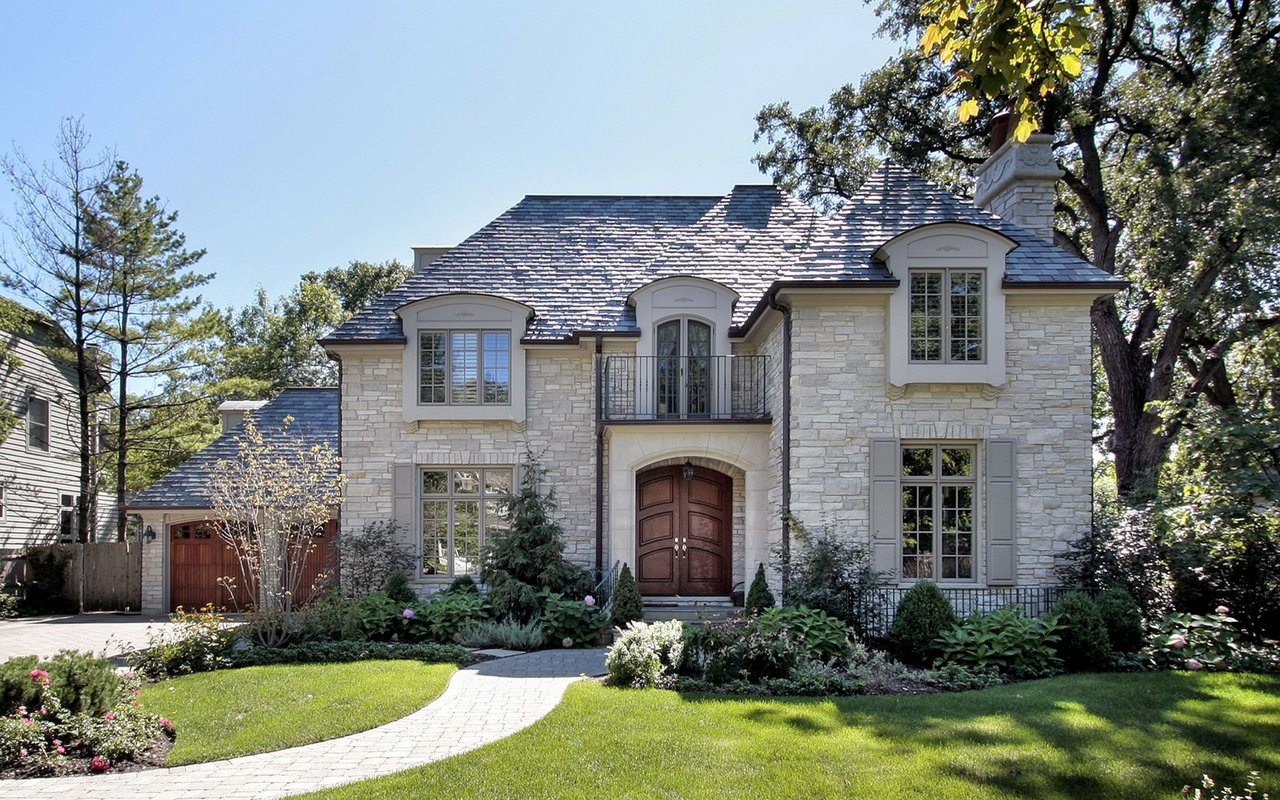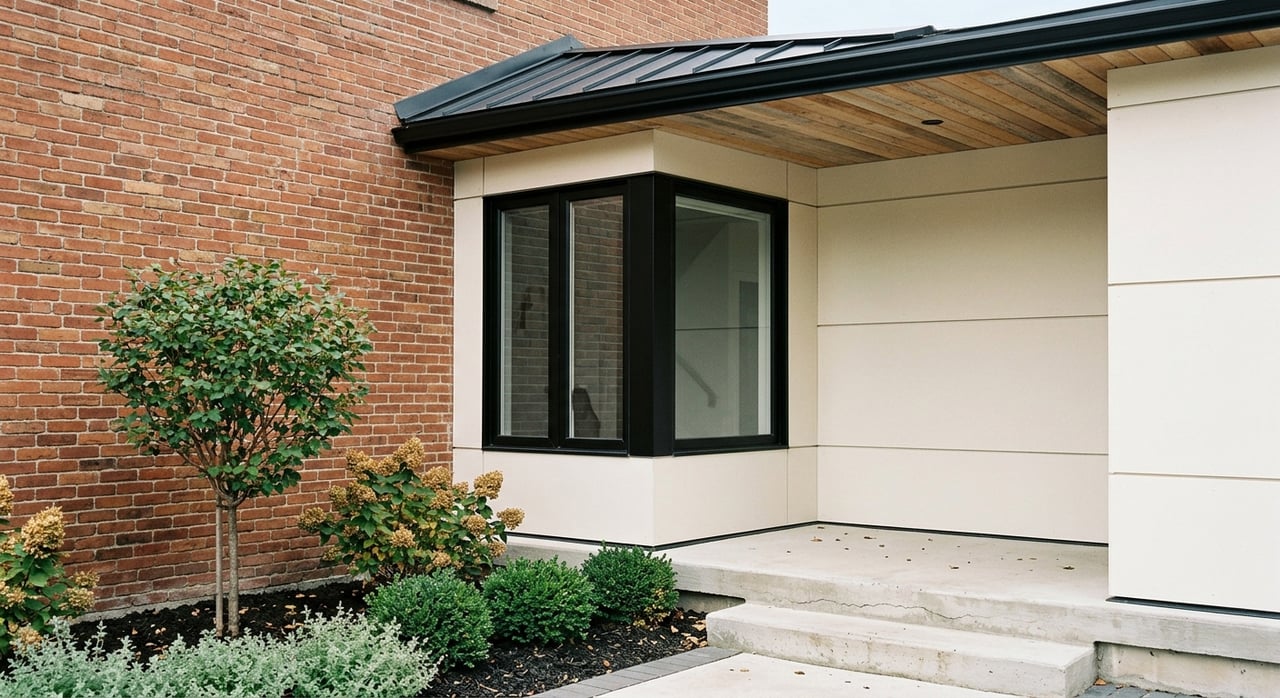
Choosing a home in Oshawa is not just about price or square footage. In this city, style often tells you something important about how a home was built, how it lives day to day, and what kind of upkeep you may want to plan for. If you are trying to decide between character, practicality, and low-maintenance living, this guide will help you understand the main home styles you are likely to see in Oshawa. Let’s dive in.
Why Oshawa offers so many options
Oshawa has a broad housing mix, which gives buyers more than one path into the market. According to the 2021 Census, the city had 66,630 occupied private dwellings, including single-detached homes, semi-detached homes, row houses, and apartments in both low-rise and taller buildings.
Detached homes make up the largest share at 55.5% of occupied dwellings. Semi-detached homes account for 8.0%, row houses 9.7%, apartments in buildings under five storeys 9.7%, and apartments in buildings with five or more storeys 11.4%. In real terms, that means your search in Oshawa will likely include a mix of detached homes, townhomes, and apartment-style options.
The city also has housing from several eras. In 2021, 15,700 occupied dwellings were built in 1960 or earlier, 23,330 were built between 1961 and 1980, and 4,105 were built from 2016 to 2021. That layered housing stock is what makes Oshawa especially interesting for buyers who want to compare old and new on the same shortlist.
Heritage homes in Oshawa
If you are drawn to charm and history, Oshawa has a real heritage presence. The City of Oshawa says it has more than 40 properties designated under the Ontario Heritage Act, along with a municipal register, a Heritage Oshawa Inventory, and one Heritage Conservation District in South Field.
It helps to know that not every older home is officially protected. The city notes that inventory properties may be identified for potential cultural heritage value, but they do not carry Ontario Heritage Act protections. Designated properties are different, and changes that affect heritage attributes, as well as demolition, require Council approval.
That does not mean ownership is restrictive in every way. The city also states that owners are not required to restore buildings to their original condition or open them to the public. Still, if you are considering a designated property, it is wise to understand the approval process before planning major exterior changes.
What heritage can look like
In Oshawa, heritage style is not one single look. City heritage records include examples such as a 1905 Second Empire home, an Edwardian dwelling at 76 Elgin Street East, a Beaux-Arts-influenced former school at 357 Simcoe Street South, and Parkwood Estate, which the city describes as one of Canada’s last remaining grand estates with architectural, landscape, and interior designs from the 1920s and 1930s.
For you as a buyer, that means “heritage” can cover a wide range of architecture. Some homes may stand out for their exterior details, while others may offer historical significance tied to the property itself or the streetscape around it.
What to weigh with an older character home
Older homes often appeal to buyers who want something distinctive. You may be drawn to original facades, mature streetscapes, or the sense of history that comes with a property from an earlier era.
At the same time, older homes can bring more upkeep. The city’s rules around designated properties also mean there may be added steps before significant changes can be approved. If you love the character and are comfortable with a little more process, this category can be a strong fit.
Post-war homes and suburban classics
A large share of Oshawa’s housing was built between 1961 and 1980, making this the city’s biggest construction cohort. For many buyers, this is the era that feels like the classic Oshawa suburban home.
These homes are often attractive because they can feel more straightforward than heritage properties. They typically appeal to buyers looking for practical layouts, established settings, and room to update finishes over time rather than paying for ornate architectural details.
Why many buyers start here
If you want a detached home in an established part of the city, post-war and subdivision-era homes are often where your search begins. Oshawa’s housing stock still leans heavily toward detached homes, so this category tends to offer many of the practical family-house options buyers picture when they think about suburban living.
Another reassuring point is overall condition. Census data show that most occupied dwellings in Oshawa were rated as needing only regular maintenance or minor repairs, while 4,170 occupied dwellings needed major repairs in 2021. That does not guarantee the condition of any individual home, but it does suggest many homes in the city remain broadly serviceable with normal ongoing care.
Best fit for this home style
This category may suit you if you want:
- A more familiar suburban layout
- An established area rather than a brand-new subdivision
- A home you can improve gradually over time
- A detached or semi-detached option with less heritage complexity
For first-time buyers, move-up buyers, or downsizers who want function over formality, these homes can offer a balanced middle ground.
New builds, townhomes, and newer infill
Oshawa’s newer housing supply is not limited to detached houses. The city’s active development applications include subdivisions, condominium proposals, stacked townhouse buildings, and apartment buildings.
Recent examples listed by the city include a stacked townhouse proposal at 2043 Simcoe Street North and a mixed apartment and stacked townhouse proposal at 416 to 448 Malaga Road. This matters because it shows that Oshawa’s newer housing story includes a range of forms, not just large-lot detached homes.
What “new build” can mean
If a home is part of a subdivision, Oshawa also distinguishes New Construction-Production builder applications where plans have already been certified through the Certified Model Plans process. That can make the new-build experience feel more standardized than buying a resale property with a long ownership history.
For many buyers, the draw is simple. Newer systems, more consistent finishes, and fewer immediate repair items can make day-to-day ownership feel more predictable.
Tradeoffs to consider
Newer homes can also come with tradeoffs. Depending on the property type, you may find a smaller lot, less variation from one home to the next, or shared-wall living in the case of townhomes and stacked townhouses.
That does not make one option better than another. It simply means your best choice depends on what matters most to you: individuality, yard space, lower maintenance, or a more compact footprint.
Condo, townhouse, or apartment?
One of the most useful distinctions from the City of Oshawa is that a condominium is a type of tenure or ownership, not a building type. That is especially helpful if you are comparing a townhouse, a condo townhouse, and an apartment-style unit.
In other words, a townhouse describes the form of the home. A condo describes the ownership structure. You can have townhouse living with condominium ownership, and that is why it is important to look at both the physical layout and the legal structure when comparing options.
Why this matters in your search
If you are choosing between a freehold townhome, a condo townhome, or an apartment-style condo, you are not just comparing square footage. You are also comparing how the property is owned and managed.
That is one reason Oshawa buyers benefit from a clear, step-by-step approach. When home style and ownership type overlap, it helps to slow the process down and compare each option on its own terms.
How to choose the right Oshawa home style
The easiest way to think about Oshawa is this: the city brings together three overlapping housing stories. You will see heritage character, mid-century practicality, and newer subdivision or infill living, often within the same search.
A simple way to narrow your decision is to match the home style to your priorities.
Heritage or older character home
This may be right for you if you want distinctive architecture and do not mind a little more upkeep. If the property is designated, you should also be comfortable with heritage-review steps before major changes.
Post-war detached home
This may be right for you if you want a classic suburban house in an established part of Oshawa. It can be a strong fit if you are open to updating finishes over time and want practical day-to-day living.
New-build detached home
This may be right for you if you want a more predictable product in a planned subdivision. Buyers often like the newer systems and the feeling of starting with fewer immediate repair items.
Townhome or stacked townhouse
This may be right for you if you want a more compact home and are open to comparing ownership structure along with building style. These options can be especially useful when you want lower-maintenance living or a different price point than a detached home.
A calmer way to compare your options
When you are searching in a city with this much variety, it is easy to feel pulled in different directions. You may love the charm of an older home, the practicality of a post-war layout, or the ease of something newer.
The key is not finding the “best” home style on paper. It is finding the one that fits your life, your comfort with maintenance, and the kind of move you are making right now. If you want help comparing Oshawa home styles with clarity and a steady plan, connect with Fraser & Co..
FAQs
What home styles are most common in Oshawa?
- Oshawa’s housing mix includes single-detached homes, semi-detached homes, row houses, and apartments. In the 2021 Census, single-detached homes made up the largest share at 55.5% of occupied private dwellings.
What should buyers know about heritage homes in Oshawa?
- The City of Oshawa has more than 40 properties designated under the Ontario Heritage Act. If a property is designated, alterations that affect heritage attributes and demolition require Council approval.
What defines a post-war home in Oshawa?
- In this context, post-war homes generally refer to homes built during Oshawa’s large 1961 to 1980 construction period. Buyers often look at these homes for practical layouts, established settings, and renovation potential.
What kinds of new housing are being built in Oshawa?
- The city’s active development applications include subdivisions, condominium proposals, stacked townhouses, and apartment buildings, showing that new supply includes more than detached homes.
What is the difference between a condo and a townhouse in Oshawa?
- A townhouse is a building type, while a condominium is a type of ownership. In Oshawa, that means a home can be townhouse in form but condominium in ownership structure.
Are most Oshawa homes in good condition?
- Census data show that most occupied dwellings in Oshawa were rated as needing only regular maintenance or minor repairs in 2021, though 4,170 occupied dwellings were reported as needing major repairs.