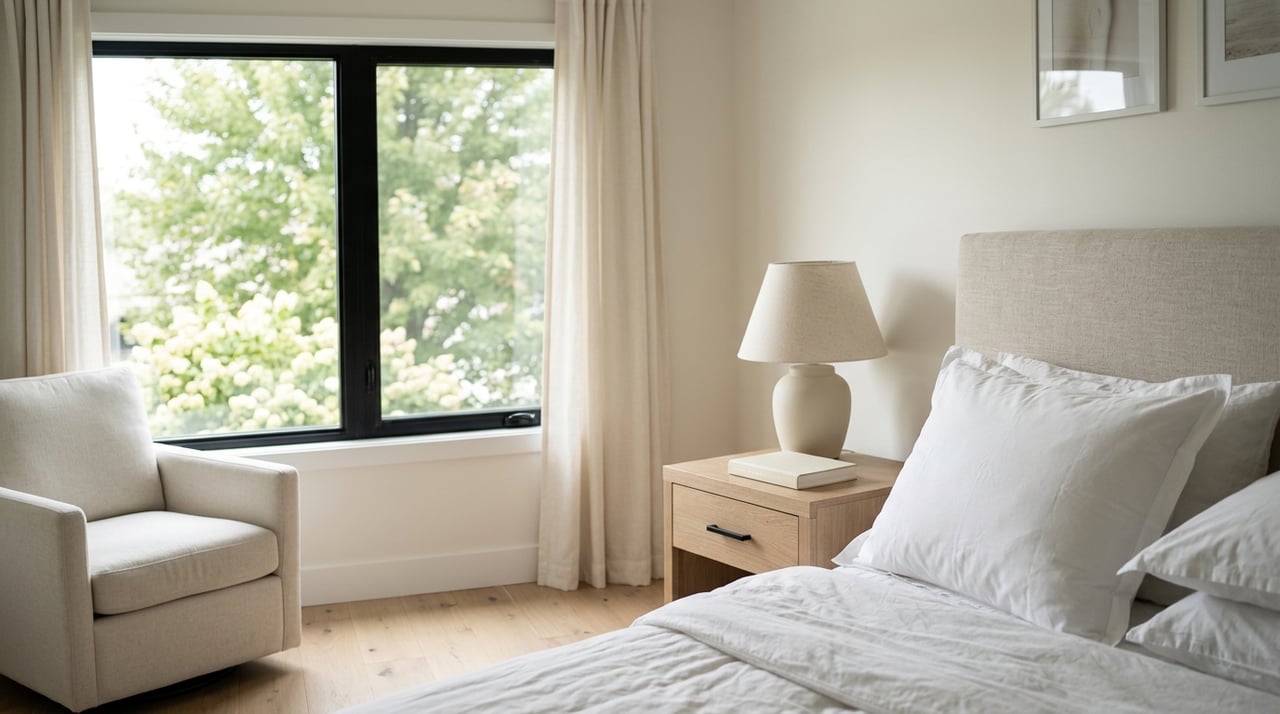
Thinking about selling your Pickering home, but not sure where to start? That feeling is completely normal, especially in a market where buyers are active but still careful about price and presentation. The good news is that confidence does not come from doing everything at once. It comes from following the right sequence, making smart prep decisions, and knowing what matters most before your home hits the market. Let’s dive in.
Why preparation matters in Pickering
Pickering sellers are entering a 2026 GTA market that is active, but still price-sensitive. TRREB reported 5,946 sales in April 2026, up 7% year over year, while new listings fell 9.3% and the average selling price fell 4.9% year over year.
That combination tells an important story. Buyers are still moving, but they are also paying close attention to value. TRREB also expects elevated supply levels to keep price growth in check through 2026, which makes strong preparation, clear documentation, and realistic pricing especially important.
In other words, this is not the kind of market where costly over-renovation is always rewarded. A well-prepared home with clean presentation and a thoughtful launch can often do more for your result than a long list of expensive projects.
Start with a simple visual reset
Before you think about repairs, photos, or showings, begin with what buyers will notice first. That usually means decluttering, depersonalizing, and simplifying each space so your home feels more open and easier to picture as their own.
CREA notes that if staging is not in the budget, decluttering every living space by about 30% to 50% can still make a meaningful difference. Since many buyers begin their search online, your home needs to show well in photos before anyone steps through the door.
This does not mean your home has to look empty or impersonal. It means creating a cleaner, calmer version of the space, with fewer distractions and a more neutral feel.
Focus on these first
- Clear counters, tables, and open shelving
- Remove extra furniture that makes rooms feel crowded
- Pack away personal photos and highly specific decor
- Organize closets and storage areas
- Deep clean kitchens, bathrooms, floors, and windows
For many sellers, this first step creates momentum. Once the home looks lighter and more polished, it becomes much easier to decide what needs attention next.
Fix the issues buyers will notice
You do not need to overhaul your entire home before listing it. In many cases, the most effective pre-listing work is small, visible, and practical.
A good seller-prep plan usually starts with cosmetic issues that can create a sense of neglect. Think scuffed walls, dripping faucets, broken hardware, worn caulking, sticky doors, or dated light fixtures. These are often the details that shape a buyer’s first impression.
In a market where buyers still have choices and pricing has softened year over year, targeted repairs can be a more efficient use of time and money than major renovation work. The goal is not perfection. The goal is to remove avoidable distractions.
Worth fixing before listing
- Minor wall damage and paint touch-ups
- Loose handles, hinges, or cabinet hardware
- Dripping taps or running toilets
- Old or peeling caulking in kitchens and bathrooms
- Burned-out bulbs or mismatched lighting
- Doors that stick or do not close properly
Worth pausing on carefully
- Large-scale remodels without a clear return
- Custom design choices that may not appeal broadly
- Projects that require permits but have not been planned properly
If you are unsure where to draw the line, a structured walk-through and prep plan can help you focus on what improves presentation without creating unnecessary cost or stress.
Decide how much staging you really need
Professional staging can help, but it is not required. CREA says homes can still be sold without it, though the process may take longer or not reach the seller’s target price.
For many Pickering sellers, the best approach is somewhere in the middle. A deep clean, thoughtful decluttering, neutral styling, and attention to key rooms can go a long way without turning staging into an all-or-nothing decision.
The rooms that tend to shape first impressions most are the front entry, living room, kitchen, and primary bedroom. If your budget is limited, focusing on those spaces may offer the strongest impact.
A lighter staging approach may include
- Rearranging furniture to improve flow
- Adding fresh bedding and simple linens
- Using consistent, warm lighting throughout the home
- Removing bulky or overly personal decor
- Styling only the most important rooms
Virtual or AI staging can also be a lower-cost option for vacant rooms, but CREA cautions that it should not misrepresent the home’s actual condition. Accuracy matters.
Plan photo day after the prep is done
It can be tempting to book photos early just to keep things moving. In reality, photo day should come after the home has been decluttered, cleaned, and visually reset.
Because buyers are usually shopping online first, photos often create the first showing. That means even small details, like cluttered counters, dim lighting, or unfinished touch-ups, can affect how your home is perceived.
If virtual staging is used, the images should stay consistent with the property’s true condition. CREA warns against enhancing a home so much that it becomes misleading.
Gather documents before your listing goes live
One of the easiest ways to reduce stress later is to organize your paperwork early. RECO recommends that listing details be supported by invoices, receipts, and other documentation where possible.
This is especially helpful if you have completed renovations, maintenance, or upgrades over the years. Keeping everything in one folder can save time, support listing accuracy, and help buyers feel more confident.
Documents to gather early
- Renovation invoices and contractor receipts
- Building permit records, if applicable
- Property tax information
- Notes on lot dimensions, if available
- A clear list of included and excluded items
If your home has had an addition, basement finishing, deck work, or other upgrades, this step becomes even more important. Good records make the listing process feel more organized from the start.
Check permit requirements before doing more work
If you are planning pre-listing work beyond simple maintenance, confirm whether a permit is required before starting. The City of Pickering states that construction should not begin before the permit is issued.
Work completed without the proper permit can lead to delays, penalties, legal action, or removal at the owner’s cost. For sellers, that can also create questions during the listing process and affect buyer confidence.
If you are considering any last-minute improvements, this is a good reason to keep the plan simple. Visible maintenance and basic cosmetic work may help more than launching into a project that creates paperwork or timing issues.
Understand the basics of seller disclosure
Seller disclosure can feel intimidating, but the key is to approach it calmly and clearly. RECO says sellers do not have to disclose patent defects, which are defects that are visible or discoverable through inspection.
However, sellers must disclose latent defects, which are hidden defects that can make a property dangerous or unfit for habitation. If there is uncertainty around what should be disclosed, RECO advises the seller’s agent to seek a legal opinion.
You may also be asked to complete a property information statement. RECO notes that if the statement is intended for buyers, interested buyers must be told that fact and given a copy on request.
This is one reason a structured listing process matters. When paperwork, condition details, and communication are handled carefully, the process tends to feel much more manageable.
Prepare for showings with privacy in mind
Once your home is live, your focus shifts from preparation to access. RECO recommends that sellers work closely with their registered agent to set ground rules and decide how showings or open houses will be handled.
That includes protecting both your belongings and your privacy. A few simple steps can help you feel more comfortable while your home is being shown.
Before showings, consider removing
- Small valuables
- Fragile items
- Medications
- Bills and bank statements
- Personal photos, if you prefer more privacy
RECO also suggests taking an inventory of belongings. This step is easy to overlook, but it can help you feel more in control during a busy listing period.
Think through timing and closing logistics early
Selling with confidence is not only about how your home looks. It is also about how your timeline works.
TRREB’s 2026 market outlook supports the idea of preparing first and launching second. In a market where supply is expected to keep price growth restrained, rushing to market with unresolved clutter, repairs, or paperwork gaps may work against you.
RECO also reminds sellers to budget for closing costs such as commissions, legal fees, and moving expenses. If you are also buying your next home, it is smart to think ahead about whether the dates will line up smoothly.
For downsizers, move-up buyers, and families in transition, this planning step can make a big difference. A simple contingency plan often turns a stressful move into a much more manageable one.
A confident sale starts with the right sequence
If you want the process to feel less overwhelming, focus on order instead of trying to do everything at once. Start by decluttering and cleaning. Then fix the obvious issues, confirm permits and records, decide on the right level of staging, and schedule photos only when the home is truly ready.
That sequence is what creates confidence. It keeps your time, budget, and energy pointed at the decisions that matter most.
When you have a clear plan, selling your Pickering home becomes less about rushing and more about moving forward with intention. And that usually leads to a stronger experience from listing to closing.
If you are preparing for a move and want a calm, structured plan for what happens next, Fraser & Co. can help you navigate each step with clarity.
FAQs
What should you do first when preparing to sell a home in Pickering?
- Start with decluttering, depersonalizing, and deep cleaning so your home shows well online and in person.
What repairs are worth doing before listing a Pickering home?
- Focus on visible, buyer-facing items like paint touch-ups, dripping faucets, broken hardware, worn caulking, and lighting issues.
Do you need to stage every room before selling a home in Pickering?
- No. Professional staging is optional, and many sellers can take a lighter approach by decluttering, neutralizing decor, and focusing on the rooms that shape first impressions.
What documents should sellers gather before listing a Pickering property?
- Collect renovation receipts, permit records, property tax information, and notes about items that will be included or excluded in the sale.
Should you check permits before doing pre-listing work on a Pickering home?
- Yes. The City of Pickering says construction should not begin before the required permit is issued.
What should Ontario sellers disclose when listing a home?
- Sellers must disclose latent defects, which are hidden defects that can make a property dangerous or unfit for habitation.
How can you protect privacy during Pickering home showings?
- Remove small valuables, medications, fragile items, bills, bank statements, and any personal items you do not want visible during showings.
Why does timing matter when selling a home in Pickering in 2026?
- Buyers are active, but the market remains price-sensitive, so strong preparation and a well-timed launch can matter more than rushing to list.