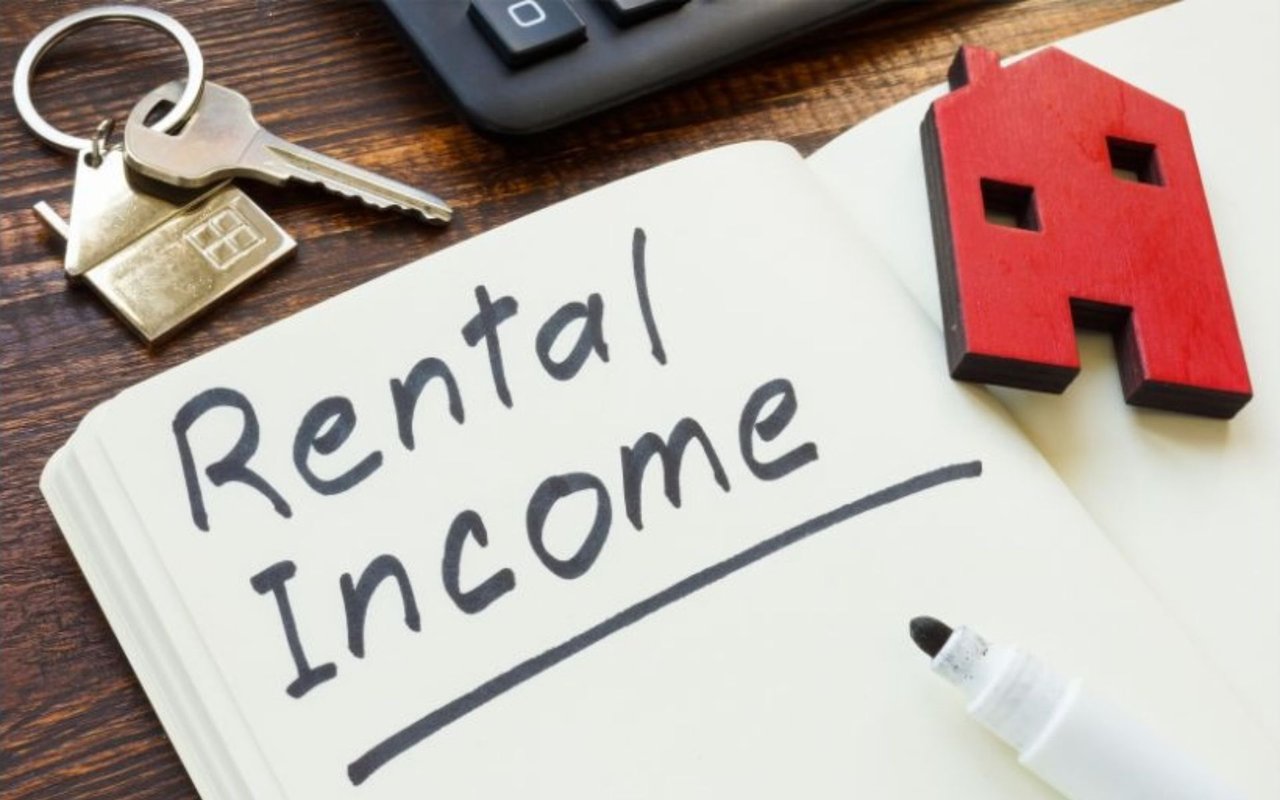
Renting out your property can be an appealing option for homeowners and real estate investors alike. Whether you’re moving to a new home, inheriting a property, or seeking to generate additional income, turning your property into a rental has its advantages. However, it also comes with challenges that require careful consideration. Understanding the pros and cons of renting out your property can help you make an informed decision that aligns with your financial goals and lifestyle.
The Pros of Renting Out Your Property
1. Generate Passive Income
One of the primary reasons people choose to rent out their property is the opportunity to earn passive income. Rental income can provide a steady cash flow that can be used to cover mortgage payments, save for future investments, or enhance your lifestyle. For those looking to build long-term wealth, rental income is a reliable stream that can contribute to financial stability.
2. Property Appreciation Over Time
In many markets, real estate tends to appreciate over time. By holding onto your property and renting it out, you may benefit from both rental income and property appreciation. This means that while your property generates income, its value may also increase, giving you the potential to sell it at a higher price in the future.

3. Tax Benefits and Deductions
Renting out your property offers several tax benefits. You can typically deduct expenses related to property management, repairs, maintenance, mortgage interest, and property taxes. Additionally, depreciation of the property’s value over time can be claimed as a tax deduction, which can offset your rental income and reduce your overall tax liability.

4. Flexibility with Future Plans
Renting out your property instead of selling it gives you flexibility with your future plans. If you’re relocating temporarily or unsure about selling, renting allows you to retain ownership while exploring your options. You may decide to move back into the property later, sell it at a more opportune time, or continue renting it out as part of your investment strategy.

5. Building Equity While Others Pay Your Mortgage
When you rent out your property, your tenants’ monthly rent payments can help cover your mortgage. This allows you to build equity in the property without having to shoulder the full financial burden. Over time, as you pay down the mortgage, the property’s value increases, contributing to your net worth.

6. Diversifying Your Investment Portfolio
Real estate is a popular way to diversify an investment portfolio. By renting out your property, you add a tangible asset to your investment mix. Diversification can reduce risk and provide a hedge against inflation, as rental income tends to rise with inflation, keeping pace with the cost of living.
The Cons of Renting Out Your Property
1. Property Management Challenges
Managing a rental property can be time-consuming and stressful, especially if you have no prior experience as a landlord. From finding reliable tenants to handling maintenance requests and managing lease agreements, property management involves a wide range of responsibilities. If you’re not up for these tasks, you may need to hire a property management company, which can eat into your rental income.
2. Dealing with Difficult Tenants
One of the biggest risks of renting out your property is encountering difficult tenants. Problematic tenants may pay rent late, damage your property, or cause disturbances for neighbors. Evicting tenants can be a lengthy and costly process, depending on local laws and regulations. Carefully screening tenants can help reduce these risks, but it’s not a foolproof solution.

3. Maintenance and Repair Costs
As a landlord, you’re responsible for maintaining the property and addressing repair issues. Unexpected repairs, such as a broken HVAC system or leaky roof, can be costly and reduce your profit margins. Even routine maintenance like lawn care, plumbing fixes, and pest control add to the expenses you must manage as a property owner.

4. Vacancy Periods and Lost Income
Vacancies are inevitable when renting out a property. Whether it’s between tenants or during a market downturn, there may be periods when your property remains unoccupied. During these times, you’ll need to cover mortgage payments, utilities, and maintenance costs without rental income. Prolonged vacancies can significantly impact your cash flow and reduce your overall return on investment.

5. Legal and Regulatory Responsibilities
Landlords must comply with a variety of local, state, and federal laws governing rental properties. These regulations cover tenant rights, property safety standards, eviction procedures, and fair housing laws. Failure to comply can result in fines, legal disputes, and damage to your reputation. Staying informed about legal requirements and updating lease agreements accordingly is essential to avoiding legal issues.
6. Impact on Personal Time and Lifestyle
Renting out your property requires a commitment of time and energy. From managing tenant inquiries to coordinating repairs and handling emergencies, being a landlord can interfere with your personal time and lifestyle. If you’re balancing a full-time job or other responsibilities, the demands of managing a rental property can become overwhelming.
7. Market Fluctuations and Economic Risks
The real estate market is subject to fluctuations that can affect property values and rental demand. Economic downturns, changes in interest rates, and shifts in the local job market can lead to reduced rental income or difficulty finding tenants. If your rental property is in an area experiencing a decline in demand, you may struggle to maintain consistent income and face challenges selling the property.
Tips for Successfully Renting Out Your Property
If you’ve weighed the pros and cons and decided to move forward with renting out your property, here are some tips for success:
- Research the Rental Market: Understand the demand for rental properties in your area, set competitive rental rates, and identify what features or amenities renters prioritize.
- Thoroughly Screen Tenants: Conduct background checks, credit checks, and reference checks to ensure you select reliable tenants who can pay rent on time and take care of your property.
- Draft a Comprehensive Lease Agreement: Clearly outline tenant responsibilities, payment terms, maintenance procedures, and rules regarding the property. A solid lease agreement protects both you and your tenants.
- Stay on Top of Maintenance: Regular property maintenance helps prevent costly repairs and keeps tenants satisfied. Promptly addressing repair requests also improves tenant retention.
- Consider Hiring a Property Manager: If you prefer a hands-off approach, hiring a property management company can handle tenant relations, maintenance issues, and rent collection on your behalf.
- Set Aside a Maintenance Fund: Save a portion of your rental income for unexpected repairs and vacancies. A financial cushion ensures that you’re prepared for emergencies without jeopardizing your cash flow.
Conclusion
Renting out your property can be a rewarding venture with the potential to generate passive income and build long-term wealth. However, it also comes with responsibilities, financial risks, and challenges that require careful planning and management.
By considering both the pros and cons, understanding your local rental market, and preparing for potential pitfalls, you can make an informed decision that aligns with your financial goals and lifestyle. Whether you’re a first-time landlord or an experienced real estate investor, a strategic approach will help you maximize the benefits of renting out your property while minimizing the risks.
Renting Out a Property in Ontario: What GTA Owners Should Know
The general pros and cons above hold up almost anywhere, but Ontario landlords also work inside a specific set of provincial rules and market conditions. If you are weighing whether to rent out a property in the Greater Toronto Area or York Region, a few local factors are worth understanding before you list.
The Residential Tenancies Act and the Landlord and Tenant Board
Most residential rentals in Ontario fall under the Residential Tenancies Act (RTA), which sets the ground rules for leases, rent increases, repairs, and ending a tenancy. Disputes between landlords and tenants go through the Landlord and Tenant Board (LTB), and current wait times for hearings can stretch out for months. That makes good tenant screening, a clear lease, and clean record keeping more than a nice-to-have. Ontario also requires most landlords to use the Province's Standard Form of Lease for new tenancies.
Rent Control and What It Means for Cash Flow
Ontario applies rent control to most rental units first occupied on or before November 15, 2018. For those units, annual rent increases are capped by the provincial guideline. Units first occupied after that date are exempt from the rent increase guideline but still fall under the rest of the RTA. Either way, plan your underwriting around modest annual rent growth, not aggressive year-over-year jumps.
Rental Demand Across the GTA and York Region
Rental demand across the GTA remains steady, supported by GO Transit corridors, family migration from Toronto into York Region, and a steady flow of newcomers, students, and young professionals. Areas with strong school catchments, walkable downtowns, and direct transit tend to lease faster and hold tenants longer. If you are considering buying a rental, communities such as Whitchurch-Stouffville, Markham, Stouffville, and Aurora are worth a closer look for detached and townhome product that appeals to family renters.
Tax Items to Confirm Before You Rent
Rental income is reportable to the Canada Revenue Agency, and most operating expenses are deductible. Owners should also think about how renting out a former principal residence can affect the principal residence exemption on a future sale, and whether a change-in-use election is appropriate. Non-resident owners face withholding tax requirements and the Non-Resident Speculation Tax (NRST) in Ontario. Talk to an accountant who works with Ontario landlords before making the move.
Frequently Asked Questions
Is owning a rental property worth it in Ontario?
For many owners, yes, but the answer depends on cash flow, financing, and how long you plan to hold. Rents in the GTA have grown over the past decade, and most well-located homes have also appreciated. That said, higher interest rates and rent control on older units mean owners should run the numbers carefully before assuming positive monthly cash flow.
What are the main pros of owning a rental property?
The biggest upsides are rental income, long-term property appreciation, equity build-up through mortgage paydown, tax deductions on eligible expenses, and diversification into a tangible asset. For some families, holding a former home as a rental also keeps a future move-back option open.
What are the main cons of owning a rental property?
The most common downsides are property management workload, repair and maintenance costs, vacancy risk between tenants, exposure to problem tenants and LTB delays, and market or interest rate risk. The time and stress involved are often underestimated, especially for owners with full-time jobs.
How is rental income taxed in Ontario?
Rental income is reported on your personal or corporate tax return and added to your other income. You can deduct typical operating costs, including mortgage interest, property taxes, insurance, utilities you pay, repairs, and management fees. Capital cost allowance is also available, with rules about how it affects a future sale. An accountant should review your specific situation.
Do I need a property manager?
It depends on how hands-on you want to be. Many GTA owners with one or two local rentals manage themselves and save the fee. Owners who travel, live far from the property, or own multiple units often find a property manager pays for itself in time saved and fewer late-night calls. Management fees in the GTA typically run between 6 and 10 percent of monthly rent.
Should I rent out my home or sell it?
If you can carry the property without strain, see strong long-term growth in the area, and are comfortable with landlord responsibilities, renting can be a smart wealth-building move. If your equity is tied up, cash flow is tight, or you do not want the stress of being a landlord, selling and redeploying the proceeds may serve you better. A clear-eyed conversation with both your accountant and your agent is the right starting point. Reach out if you would like a rental versus sale analysis for your address.
How much rent can I expect in the GTA?
Rents vary widely by city, property type, and condition. Detached homes in York Region commonly lease in the $3,000 to $5,000 per month range, townhomes in the high $2,000s to low $3,000s, and condos starting in the $2,000s. Your agent can run a rental CMA to give you a more accurate range for your specific property.
What is the Landlord and Tenant Board?
The Landlord and Tenant Board (LTB) is the Ontario tribunal that hears disputes between landlords and tenants. It handles applications for rent increases, evictions, maintenance issues, and other matters under the Residential Tenancies Act. Hearings can take time, so strong documentation and a clear lease are important from day one.
If you are looking to buy a home or sell your house feel free to get in touch with us today!