When it comes to breathing new life into an aging property, homeowners are often faced with the decision between renovation and restoration. While these terms are frequently used interchangeably, they represent two distinct approaches to improving a property, each with its own set of goals, techniques, and considerations. Understanding the difference between renovation and restoration is crucial in choosing the right approach for your home, budget, and vision.
This blog will delve into the nuances of both renovation and restoration, exploring the pros and cons, ideal scenarios for each, and how to make an informed decision that aligns with your home's needs and your personal preferences.

Understanding the Basics: Renovation vs. Restoration
Before diving into the details, it’s essential to define the key differences between renovation and restoration:
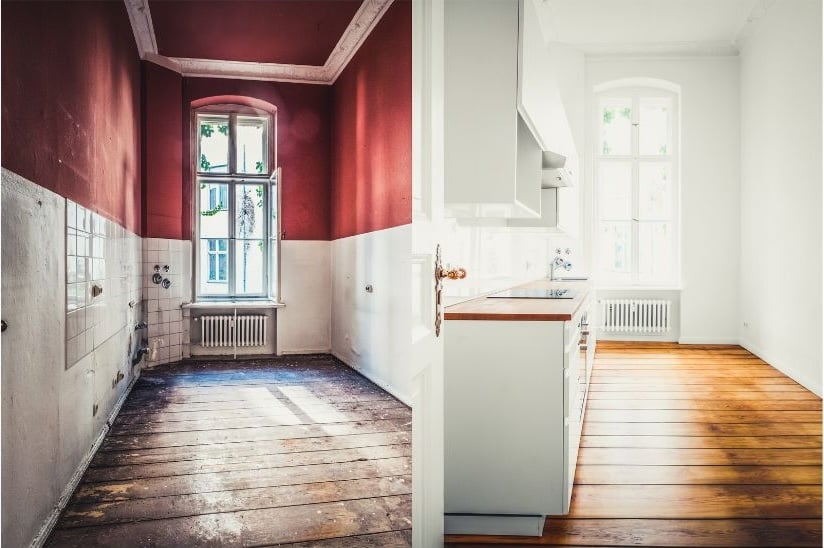
- Restoration: The goal of restoration is to return a building or space to its original condition. This process focuses on preserving and repairing existing structures, materials, and features to maintain the property's historical integrity. Restoration often involves repairing and refinishing original features, such as woodwork, floors, moldings, and windows, rather than replacing them.
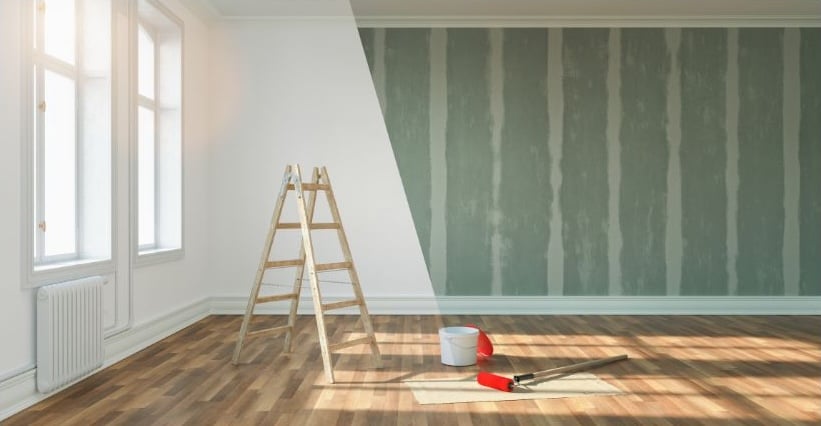
- Renovation: Renovation involves updating or altering a building to make it more modern, functional, or aesthetically pleasing. This process can include everything from minor updates, like painting and installing new fixtures, to major changes, such as tearing down walls, adding new rooms, or even changing the layout of a home. The focus here is on improvement and modernization rather than preservation.
Restoration: Preserving History and Character
Restoration is about honoring a property’s history and character by maintaining its original form and features. Here’s a closer look at when restoration is the ideal choice and what it involves.
When to Choose Restoration
- Historic Homes: If your property is a historic home or is located in a designated historic district, restoration may be the preferred or even required option. Preserving the architectural integrity of these homes is often vital to maintaining their cultural and historical significance.
- Maintaining Original Features: When a property has unique or high-quality original features, such as crown moldings, stained glass windows, original hardwood floors, or intricate plasterwork, restoration helps to preserve these elements.
- Enhancing Property Value: For some homes, especially those with historical significance, a well-executed restoration can enhance the property's value. Restored homes are often more desirable to buyers who appreciate original details and craftsmanship.

Pros of Restoration
- Historical Integrity: Restoration retains the original design and craftsmanship of a home, maintaining its historical value and charm.
- Unique Appeal: Restored homes often have a unique character that modern renovations cannot replicate. They tell a story and reflect a bygone era.
- Cost Efficiency: In some cases, restoring original features can be more cost-effective than replacing them, especially when materials are of high quality.
Cons of Restoration
- Limited Modernization: Restoration focuses on maintaining original features, which may limit opportunities for modernization or altering layouts to improve functionality.
- Higher Maintenance Costs: Older materials and techniques may require more upkeep and repair over time, adding to maintenance costs.
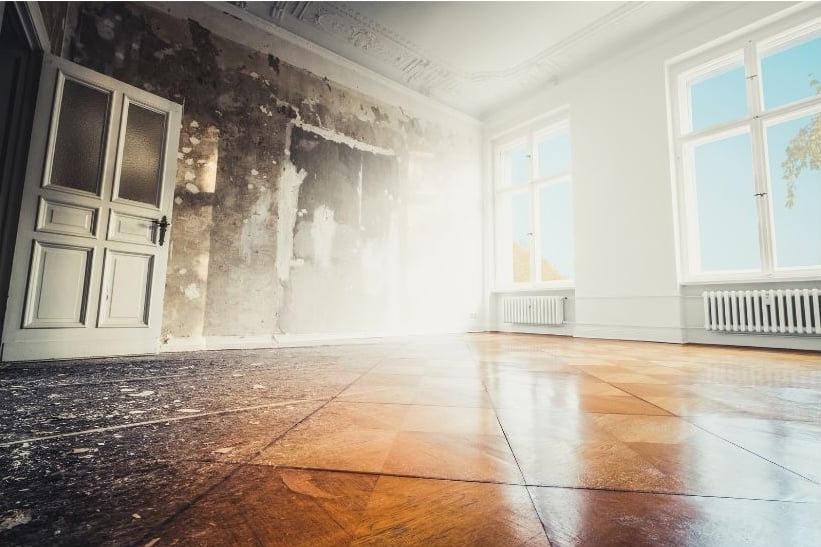
- Potential for Hidden Problems: Restoring older homes may reveal hidden issues such as outdated wiring, plumbing, or structural problems that need to be addressed.
Renovation: Modernizing and Transforming Spaces
Renovation is about making a home more functional, modern, and aligned with current design trends. It allows homeowners to refresh and reimagine their living spaces while incorporating new technology, materials, and layouts.
When to Choose Renovation
- Outdated Interiors: If the interior of a home is outdated, with old cabinetry, flooring, fixtures, or layouts, a renovation is often the best way to bring the space up to modern standards.
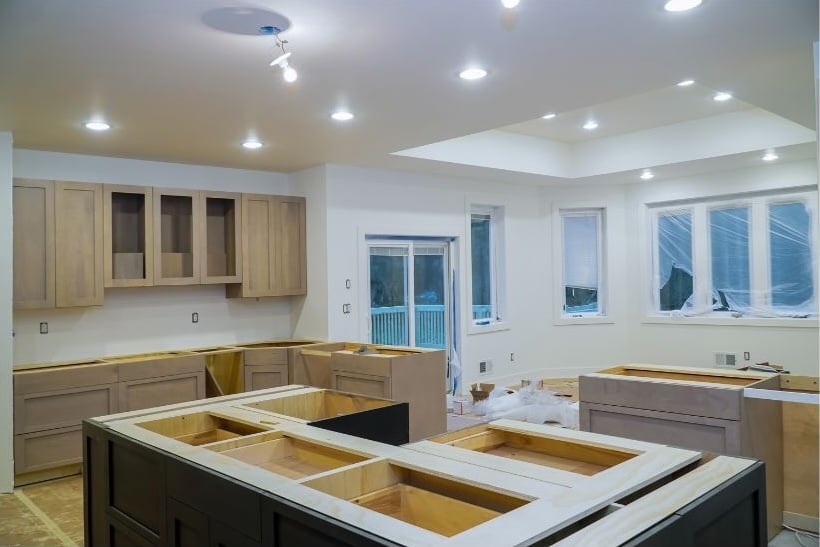
- Improving Functionality: Homes with awkward or inefficient layouts can benefit greatly from renovation. For example, combining a small kitchen and dining area into an open-plan space can enhance usability and flow.
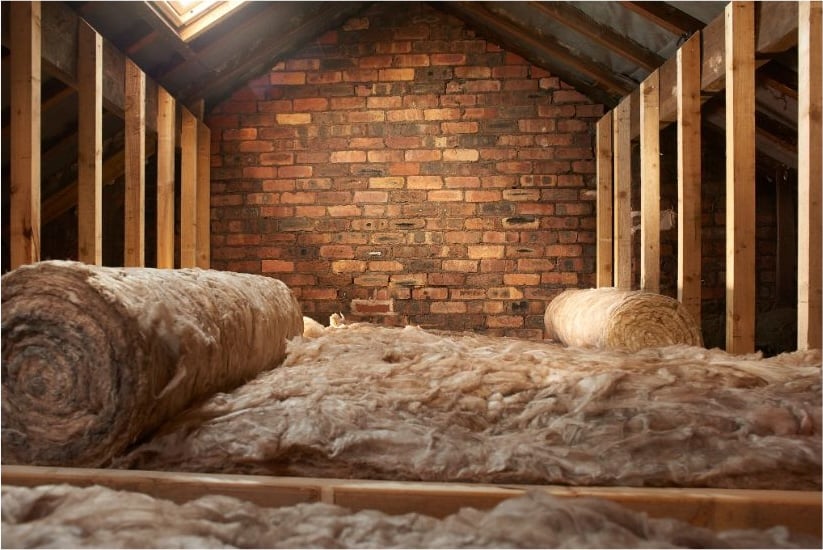
- Increasing Energy Efficiency: Renovations often include updating windows, insulation, HVAC systems, and appliances to make a home more energy-efficient, leading to long-term savings on utility bills.
- Adding Space or Value: Renovating to add more space, such as a new bedroom, bathroom, or office, can increase the home's functionality and market value, making it a popular choice for growing families or those looking to sell.
Pros of Renovation
- Customization and Modernization: Renovations offer the flexibility to customize spaces to suit modern tastes and lifestyles, from open-concept living areas to state-of-the-art kitchens.
- Increased Property Value: Strategic renovations can significantly increase a home's market value, making it more attractive to potential buyers.
- Improved Energy Efficiency: Modern renovations can include energy-efficient windows, insulation, appliances, and HVAC systems, reducing long-term energy costs.
Cons of Renovation
- Costly: Renovations can be expensive, especially when major structural changes, new materials, and updated systems are involved.
- Potential for Over-Renovation: It’s possible to over-renovate a home beyond the value of the neighborhood, making it challenging to recoup the investment if selling.
- Longer Timelines: Major renovations can be time-consuming and often involve unexpected delays and costs, particularly if structural or foundational issues are discovered.
Key Factors to Consider When Deciding
When deciding between renovation and restoration, several key factors should guide your decision-making process:
- Budget: Consider the available budget and whether it aligns better with the costs associated with renovation or restoration. While both can be expensive, renovations often have a broader range of potential costs.
- Property Type and Location: The architectural style, age, and location of your home play a crucial role. Historic homes may benefit more from restoration, while more modern homes in newer neighborhoods might be better suited for renovation.
- Purpose and Goals: Determine your primary goals—whether it's preserving historical character, updating functionality, increasing market value, or improving energy efficiency.
- Long-Term Plans: Consider how long you plan to stay in the home. If you intend to stay long-term, focus on what will make the home more comfortable and functional for you. If you’re planning to sell, consider what updates will add the most value to potential buyers.
- Regulatory Restrictions: Check local zoning laws, building codes, and, if applicable, historical district regulations, as these may influence your ability to renovate or restore certain aspects of your home.
- Expert Consultation: Consult with architects, contractors, or historical preservation experts to get a professional assessment of what your home needs. They can provide insights into the scope, cost, and potential return on investment for each approach.

Combining Renovation and Restoration
In some cases, a blend of renovation and restoration might be the best solution. This hybrid approach allows homeowners to preserve key historical elements while updating other parts of the home to improve comfort, safety, and functionality.
- Example: You might choose to restore original hardwood floors, moldings, and windows while renovating the kitchen and bathrooms with modern fixtures and layouts.
- Balance is Key: The goal is to strike a balance between maintaining the home's original charm and meeting the needs of modern living. This approach can be particularly effective in maintaining the home's value and appeal.

Conclusion
Both renovation and restoration have their merits and potential drawbacks. The right choice depends on various factors, including the type of home, budget, personal preferences, and long-term goals. Restoration is ideal for preserving the history and character of a home, while renovation offers the opportunity to customize and modernize spaces to better suit contemporary lifestyles. By carefully considering your options and consulting with professionals, you can make an informed decision that adds both value and enjoyment to your home.