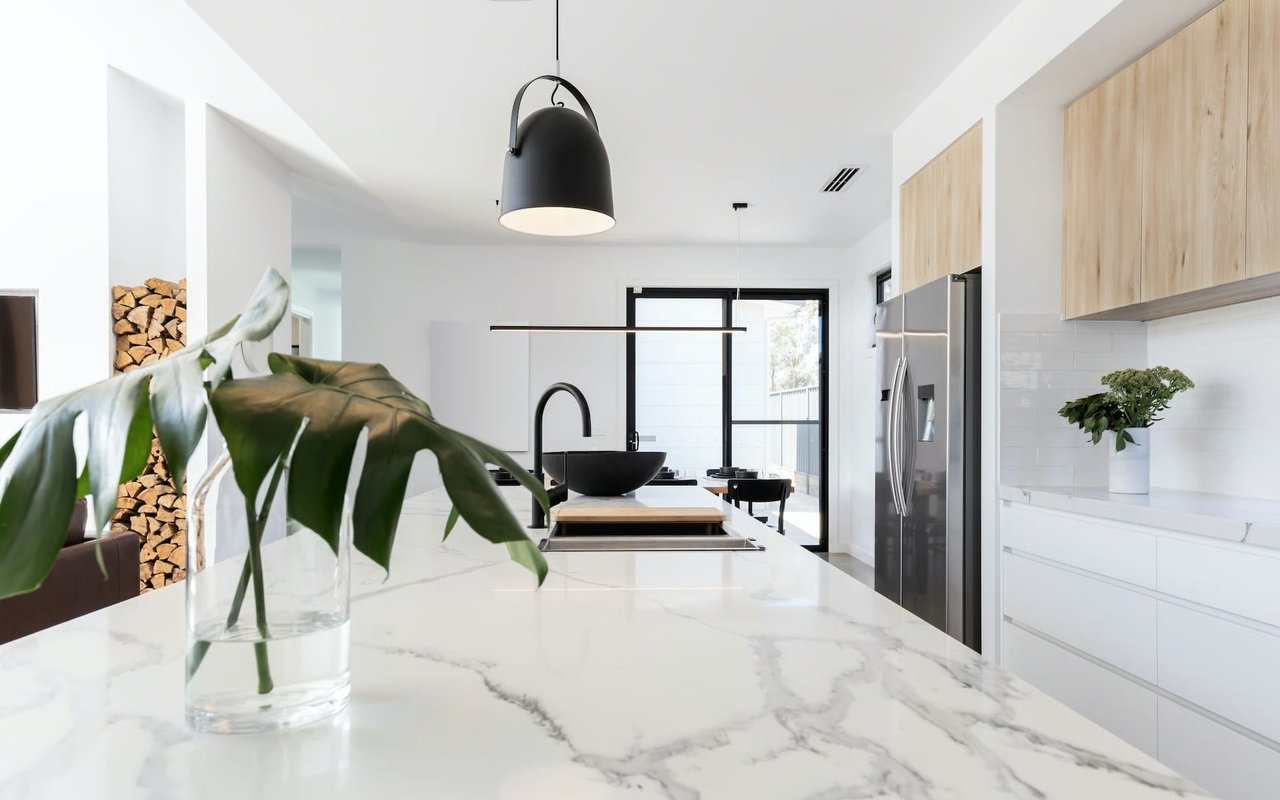
Open floor plans have become a hallmark of modern home design, offering a sense of spaciousness and flexibility that appeals to many homeowners. This architectural style eliminates walls and barriers between common areas like the kitchen, living room, and dining room, creating a seamless flow that can enhance both aesthetics and functionality. However, while open floor plans have many benefits, they may not be suitable for everyone. In this blog, we'll explore the trend of open floor plans, their advantages, and potential downsides to help you determine if this layout is right for you.
The Rise of Open Floor Plans
Open floor plans became popular in the mid-20th century as part of a broader movement toward modernism in architecture and design. Influenced by the work of architects like Frank Lloyd Wright, who emphasized the integration of indoor and outdoor spaces, open floor plans aim to create a sense of openness and connectivity within the home.
In the 1990s and 2000s, the popularity of open floor plans surged, driven by changing lifestyles and the desire for more flexible living spaces. The trend continues today, with many new homes and renovations featuring open layouts that cater to contemporary living.
Benefits of Open Floor Plans
1. Enhanced Natural Light
One of the most significant benefits of open floor plans is the abundance of natural light. Without walls to block windows, sunlight can flow freely throughout the space, creating a bright and inviting atmosphere. This not only reduces the need for artificial lighting but also enhances the overall mood and energy of the home.
2. Improved Social Interaction
Open floor plans promote social interaction by creating a unified space where family members and guests can gather and interact. Whether you're cooking in the kitchen, watching TV in the living room, or dining at the table, the open layout allows for easy communication and engagement.
3. Flexibility and Versatility
The lack of walls in an open floor plan provides flexibility in how the space is used and arranged. Furniture can be easily rearranged to accommodate different activities and occasions, making the home adaptable to changing needs. This versatility is particularly appealing for families and those who enjoy entertaining.
4. Modern Aesthetic
Open floor plans are synonymous with modern, contemporary design. The clean lines, uncluttered spaces, and seamless transitions between areas create a sleek and stylish look that many homeowners find appealing. This aesthetic can also increase the perceived value of the home.
5. Better Traffic Flow
With fewer barriers and obstacles, open floor plans offer better traffic flow and movement within the home. This can be especially beneficial for families with young children or individuals with mobility issues, as it creates a more accessible and navigable environment.
6. Connection to the Outdoors
Open floor plans often include large windows and sliding doors that connect indoor spaces to outdoor areas like patios and gardens. This integration enhances the sense of openness and brings the beauty of the outdoors inside, creating a more harmonious living experience.
Potential Downsides of Open Floor Plans
While open floor plans have many advantages, they may not be ideal for everyone. Here are some potential downsides to consider:
1. Noise Levels
The absence of walls means that noise travels more freely throughout the space. This can be a challenge in households with multiple occupants, as activities in one area can easily disrupt those in another. For example, cooking noises from the kitchen might interfere with conversations or TV watching in the living room.
2. Lack of Privacy
Open floor plans offer limited privacy since there are no separate rooms to retreat to. This can be an issue for families with children or individuals who value having private spaces for work, study, or relaxation. The lack of distinct boundaries can also make it difficult to contain messes or clutter to one area.
3. Heating and Cooling Challenges
Heating and cooling an open floor plan can be more challenging and potentially more expensive than in a traditional layout with separate rooms. The larger, open space may require more energy to maintain a consistent temperature, leading to higher utility bills.
4. Limited Wall Space
With fewer walls, there is less space for furniture placement, storage solutions, and displaying artwork or decor. This can make it challenging to create a well-organized and aesthetically pleasing environment, especially if you have a lot of belongings or large furniture pieces.
5. Design Cohesion
An open floor plan requires a cohesive design approach, as the entire space is visible at once. This means that colors, materials, and styles need to flow seamlessly from one area to the next. Achieving this level of design cohesion can be difficult and may require professional assistance.

6. Cooking Odors
In an open floor plan, cooking odors can spread more easily throughout the home. While proper ventilation can mitigate this issue, it’s something to consider if you frequently cook aromatic dishes or have sensitivity to certain smells.
Is an Open Floor Plan Right for You?
Deciding whether an open floor plan is right for you involves considering your lifestyle, preferences, and specific needs. Here are some factors to keep in mind:
Lifestyle and Family Dynamics
Consider how you and your family use your living spaces. If you enjoy hosting gatherings, value social interaction, and prefer a modern aesthetic, an open floor plan may be ideal. However, if you need private spaces for work, study, or quiet time, you might prefer a more traditional layout with separate rooms.
Noise Tolerance
Think about your tolerance for noise and your household's noise levels. If you’re sensitive to sound or have young children who need quiet spaces, an open floor plan may present challenges. On the other hand, if you appreciate the bustling energy of an open space, the noise might not be an issue.
Design Preferences
Reflect on your design preferences and how you envision your home’s interior. If you enjoy a cohesive, modern look and feel comfortable creating a unified design scheme, an open floor plan can provide a beautiful canvas. However, if you prefer distinct styles for different rooms, a traditional layout might be more suitable.
Heating and Cooling Needs
Evaluate your home’s heating and cooling systems and your budget for energy costs. If you live in a climate with extreme temperatures, consider how an open floor plan might impact your ability to maintain a comfortable environment year-round.
Storage and Organization
Assess your storage needs and organizational habits. If you have a lot of items to store or struggle with clutter, an open floor plan may require creative solutions to keep the space tidy and functional.
Future Flexibility
Consider your long-term plans and how your needs might change over time. An open floor plan offers flexibility and can be adapted for different uses, but it may also limit options for creating private spaces in the future.
Conclusion
Open floor plans offer numerous benefits, including enhanced natural light, improved social interaction, flexibility, and a modern aesthetic. However, they also come with potential downsides such as noise levels, lack of privacy, and heating and cooling challenges. By carefully considering your lifestyle, preferences, and specific needs, you can determine whether an open floor plan is the right choice for you. Ultimately, the appeal of open floor plans lies in their ability to create a sense of spaciousness and connectivity that can enhance your home and living experience.