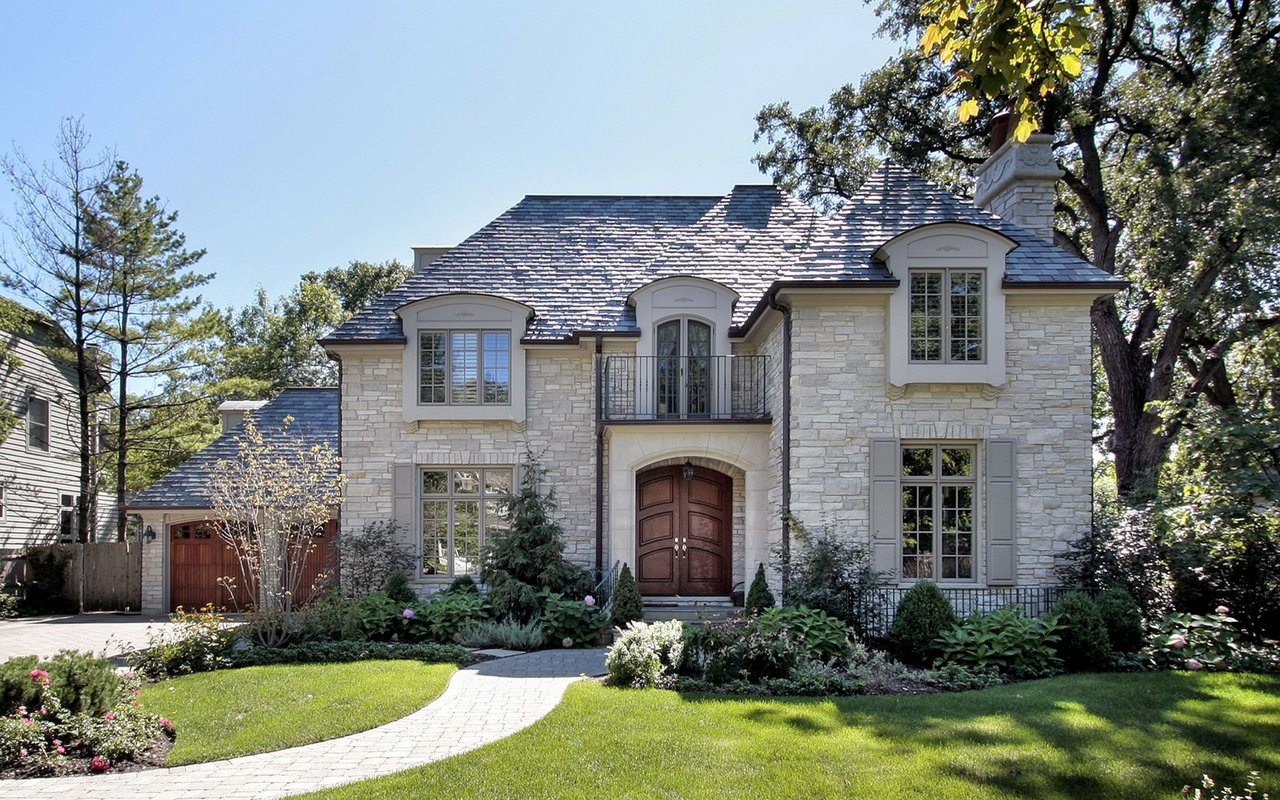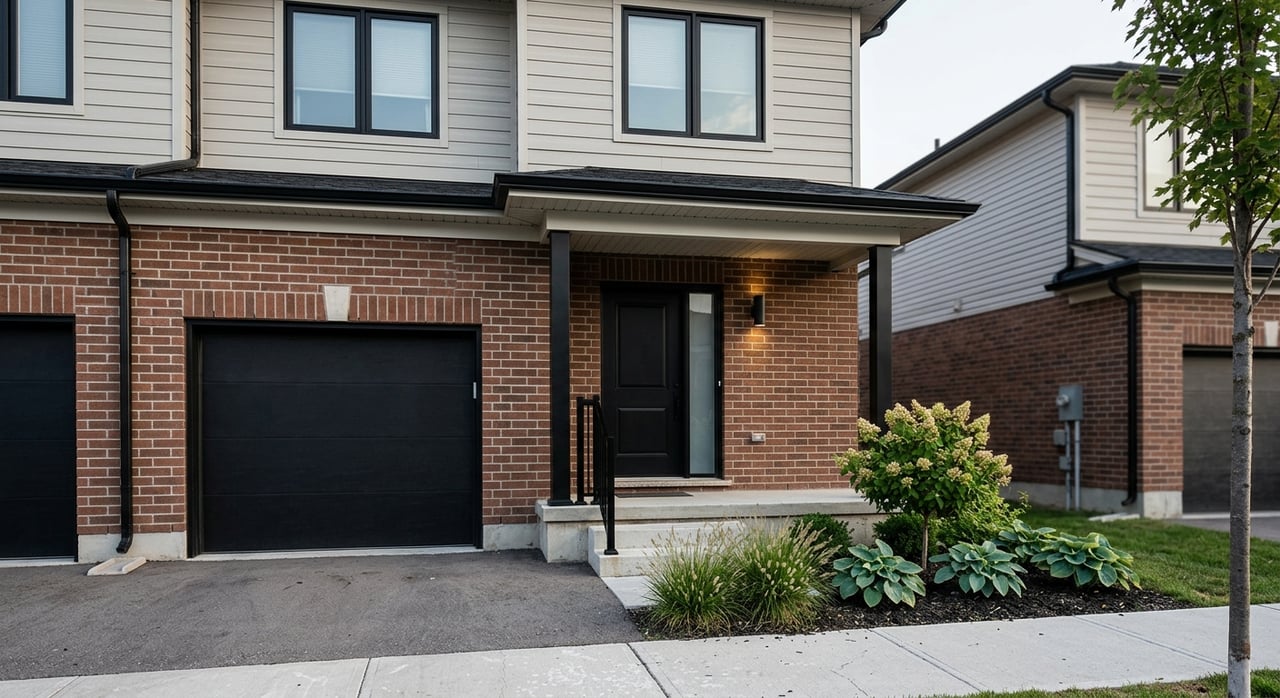
Trying to decide between a townhouse and a detached home in Bowmanville? You are not alone. For many buyers, this choice comes down to a mix of budget, lifestyle, parking, and long-term plans. The good news is that Bowmanville gives you real options, and once you know what to compare, the decision gets much clearer. Let’s dive in.
Bowmanville Price Gap
One of the biggest differences between a townhouse and a detached home in Bowmanville is price. Recent local market data shows detached homes selling at a clear premium over townhouses.
In current rolling 30-day figures, detached homes in Bowmanville had a median sold price of about $816,000, while townhouses were around $668,500. Another recent townhouse snapshot showed a median closer to $640,000. The safest takeaway is that detached homes are currently trading for roughly $150,000 to $250,000 more than townhouses in Bowmanville.
That price gap matters because it affects more than your down payment. It also shapes your monthly payments, borrowing comfort, and how much room you have left in your budget for repairs, furnishings, or future plans.
Townhouse Costs Need a Closer Look
If you are comparing homes by price alone, a townhouse may seem like the easy budget winner. In many cases, it is the lower-entry-price option in Bowmanville.
But there is an important detail: not all townhouses are owned the same way. Some are freehold, while others are condominium-style. That difference can change your monthly costs in a big way.
Freehold vs Condo Townhouse
With a condominium townhouse, monthly fees may help cover shared expenses such as:
- snow removal
- landscaping
- cleaning of common areas
- some utilities
- property management
- building systems
- reserve-fund contributions
That can make upkeep feel more predictable. At the same time, those fees become part of your regular carrying cost, and you have less direct control over how shared spaces are managed.
With a detached home, you will usually not have condo fees. However, you are also responsible for the full cost and coordination of exterior upkeep yourself.
What This Means for Your Budget
If you are looking at a Bowmanville townhouse, ask two questions early:
- Is it freehold or condominium-owned?
- If it is condominium-owned, what are the monthly fees and what do they cover?
This is often where the most useful comparison happens. A lower purchase price does not always mean a lower true monthly cost.
Maintenance and Daily Upkeep
For many buyers, the townhouse versus detached decision is really a question of how you want to spend your time. Do you want more independence, or do you want less day-to-day upkeep?
A townhouse can be appealing if you want a simpler routine. In condominium-style townhouse communities, some outdoor maintenance and shared upkeep may be handled through monthly fees.
A detached home often gives you more control over your property. You can manage your yard, driveway, and exterior on your own terms. That can be a plus if you like having flexibility, but it also means more responsibility.
Townhouse Convenience
A townhouse may be a better fit if you want:
- a lower entry price
- less hands-on exterior maintenance
- a more compact home layout
- more predictable shared upkeep in a condo setting
Detached Flexibility
A detached home may be a better fit if you want:
- more privacy
- more yard space
- more control over exterior decisions
- fewer shared-property rules
Neither option is automatically better. It depends on what will make your daily life easier and your budget more comfortable.
Parking in Bowmanville Matters
Parking can be a deciding factor, especially if your household has more than one vehicle. This is one of those practical details buyers sometimes underestimate until they are living with it.
Clarington driveway standards show that single-detached homes can generally have a maximum driveway width of 4.5 to 6 metres, depending on the property. For townhomes, the standard is generally 3 to 4 metres, depending on lot size and garage width.
That means detached homes often offer more driveway flexibility. Townhouses can work well, but they may give you less room for multiple vehicles or larger parking setups.
Street Parking Has Limits
Street parking is not something you should assume will solve the problem. In Clarington, on-street parking over three hours, including between 3 a.m. and 5 a.m., requires a permit or temporary pass. Street parking is also prohibited during a snow event.
For townhouse buyers, this matters even more because many townhouse communities are designed more compactly. Planning documents for Bowmanville’s West Town Centre show townhouse areas are expected to include internal or rear laneways, with parking often located at the rear or side of buildings.
If parking convenience is high on your list, ask yourself:
- How many vehicles does your household have?
- Do you regularly host guests who need parking?
- Will winter street-parking restrictions affect your routine?
Commute and Transit Plans
Your choice may also depend on how you move through the region today and how you expect that to change over time. Bowmanville remains a car-oriented market, but transit options are part of the picture.
Bowmanville Park & Ride currently offers GO connections, local Durham Region Transit service, and free customer parking with 85 parking spaces. Durham Region Transit Route 902 also provides frequent service between Oshawa Centre Terminal and Bowmanville Park & Ride, with buses every 15 minutes during the day on part of the route.
If you commute regularly, a townhouse near existing transit connections may feel like a smart, efficient option. If you rely heavily on driving, a detached home with more parking flexibility may suit your routine better.
Future Growth Could Influence Your Choice
Bowmanville’s transit outlook is changing. Clarington’s GO East plans say the Bowmanville Extension will add 18.7 kilometres of track to the future Bowmanville GO Station, with half-hour peak service, hourly off-peak service, and weekend service every two hours. The same plan says travel times to Union Station are expected to be reduced by 15 minutes.
Clarington is also aligning land-use planning around the future station area with a mix of housing, shopping, services, parks, and walkable streets. That is important context if you are thinking long term.
If future transit access is a priority, some townhouse locations may line up well with that direction of growth. If your priority is lot size, privacy, and more traditional parking and yard space, detached may still be the better fit.
Resale and Market Movement
Many buyers want to know which property type is the safer long-term choice. The honest answer is that both can make sense, but they often appeal to different buyer pools.
Current Bowmanville market data suggests townhouses are moving faster than detached homes right now. Recent figures show townhouses averaging about 12 days on market, compared with about 30 days on market for detached homes.
That does not automatically mean townhouses are better investments. It does suggest they may appeal to a wider affordability range, which can support demand.
Why Townhouses May Stay in Demand
Clarington’s Housing Needs Assessment notes that row houses and apartments have made up a larger share of housing starts since 2016. The report connects that shift to land constraints, provincial land-use policy, and demand for lower-priced housing near transportation nodes.
For you as a buyer, that points to continued structural support for townhouse-style housing in Bowmanville, especially in established or transit-oriented areas. Detached homes, meanwhile, continue to appeal to buyers who want more privacy, more outdoor space, and more parking flexibility.
How to Choose the Right Fit
If you feel stuck, do not start with the property type. Start with your real-life needs.
Here are the questions that usually bring clarity fastest:
Choose a Townhouse If You Prioritize
- a lower entry price
- a more compact layout
- simpler upkeep
- access to shared maintenance in some communities
- potentially faster-moving resale demand in the current market
Choose a Detached Home If You Prioritize
- more space and privacy
- more yard use
- more driveway flexibility
- fewer shared-property costs or rules
- greater control over exterior upkeep and changes
Ask These Questions Before You Decide
- Is the townhouse freehold or condominium-owned?
- What monthly fees apply, and what do they cover?
- How many cars do you need to park regularly?
- Will driveway width or winter street-parking rules be an issue?
- Are you buying for today’s commute, or planning around future transit growth?
- Do you value lower upkeep more than larger outdoor space?
When you answer those questions honestly, the right option usually becomes much easier to see.
In Bowmanville, the townhouse versus detached decision is rarely just about square footage. It is about how you want to live, what you want your monthly budget to feel like, and how much flexibility you need now and later. If you want calm, clear guidance as you compare your options in Durham Region, Fraser & Co. can help you sort through the details and move forward with confidence.
FAQs
What is the main price difference between townhouses and detached homes in Bowmanville?
- Recent local data suggests detached homes in Bowmanville are selling for roughly $150,000 to $250,000 more than townhouses, depending on the reporting window.
What should you check before buying a Bowmanville townhouse?
- Confirm whether the townhouse is freehold or condominium-owned, and review any monthly fees and what those fees cover.
How does parking differ between a Bowmanville townhouse and detached home?
- Detached homes generally allow wider driveways, while townhomes usually have more limited driveway width and may be in more compact community layouts.
Are Bowmanville townhouses selling faster than detached homes?
- Current market figures show townhouses averaging about 12 days on market, compared with about 30 days on market for detached homes.
How could future transit affect your Bowmanville home choice?
- Planned GO expansion and growth around the future Bowmanville GO Station may make transit-oriented locations more appealing, especially if your long-term plans include commuting options beyond driving.