Lighting plays a crucial role in home staging and interior design, significantly influencing a property's appeal. Effective lighting can transform a space, highlighting its best features, creating a welcoming atmosphere, and even affecting the perceived size of a room. Whether you're preparing your home for sale or simply looking to refresh your living space, understanding how to use lighting strategically can make a significant difference. This blog will explore the importance of lighting in home staging and interior design, offering practical tips to enhance your home's appeal.

The Importance of Lighting in Home Staging and Interior Design
Creating Atmosphere and Mood
Lighting sets the tone for any room. Bright, natural light can create a cheerful and energetic atmosphere, while soft, warm light can make a space feel cozy and inviting. The type of lighting you choose can influence how people feel when they enter a room, making it an essential tool in home staging and interior design.
Highlighting Features
Strategic lighting can draw attention to a room's best features, such as architectural details, artwork, or unique design elements. By highlighting these features, you can create focal points that capture the attention of potential buyers or guests, enhancing the overall appeal of your home.
Perceived Space
Lighting can also affect how spacious a room feels. Well-lit rooms often appear larger and more open, while poorly lit spaces can feel cramped and uninviting. Using lighting effectively can help maximize the perceived size of your rooms, making your home more attractive to potential buyers.
Enhancing Colors and Textures
The right lighting can bring out the best in your home's colors and textures. Different types of lighting can enhance or change the appearance of paint colors, fabrics, and finishes. Understanding how to use lighting to complement your interior design can create a cohesive and visually pleasing space.

Types of Lighting
Ambient Lighting
Ambient lighting provides overall illumination for a room. It is the primary source of light and sets the general mood. Common sources of ambient lighting include ceiling fixtures, chandeliers, and recessed lights. When staging a home, ensure that ambient lighting is bright enough to make the space feel open and inviting.
Task Lighting
Task lighting is focused light used for specific activities such as reading, cooking, or working. Examples include desk lamps, under-cabinet lights in the kitchen, and vanity lights in the bathroom. Task lighting should be bright and directed, making it easier to perform tasks while adding an extra layer of illumination to the room.

Accent Lighting
Accent lighting is used to highlight specific features or areas within a room. It can be used to showcase artwork, architectural details, or plants. Examples of accent lighting include track lighting, wall sconces, and spotlights. Accent lighting adds depth and dimension to a room, making it more visually interesting.
Natural Lighting
Natural lighting is the light that comes from windows, skylights, and other openings. Maximizing natural light can make a space feel bright and airy. Ensure that windows are clean and unobstructed, and use light, sheer curtains to allow maximum light to enter the room. Reflective surfaces, such as mirrors, can also help amplify natural light.
 Practical Tips for Using Lighting to Enhance Your Home’s Appeal
Evaluate Existing Lighting
Before making any changes, evaluate your existing lighting. Identify areas that are poorly lit or have outdated fixtures. Consider how the lighting in each room affects the overall atmosphere and functionality. This assessment will help you determine where improvements are needed.
Layer Your Lighting
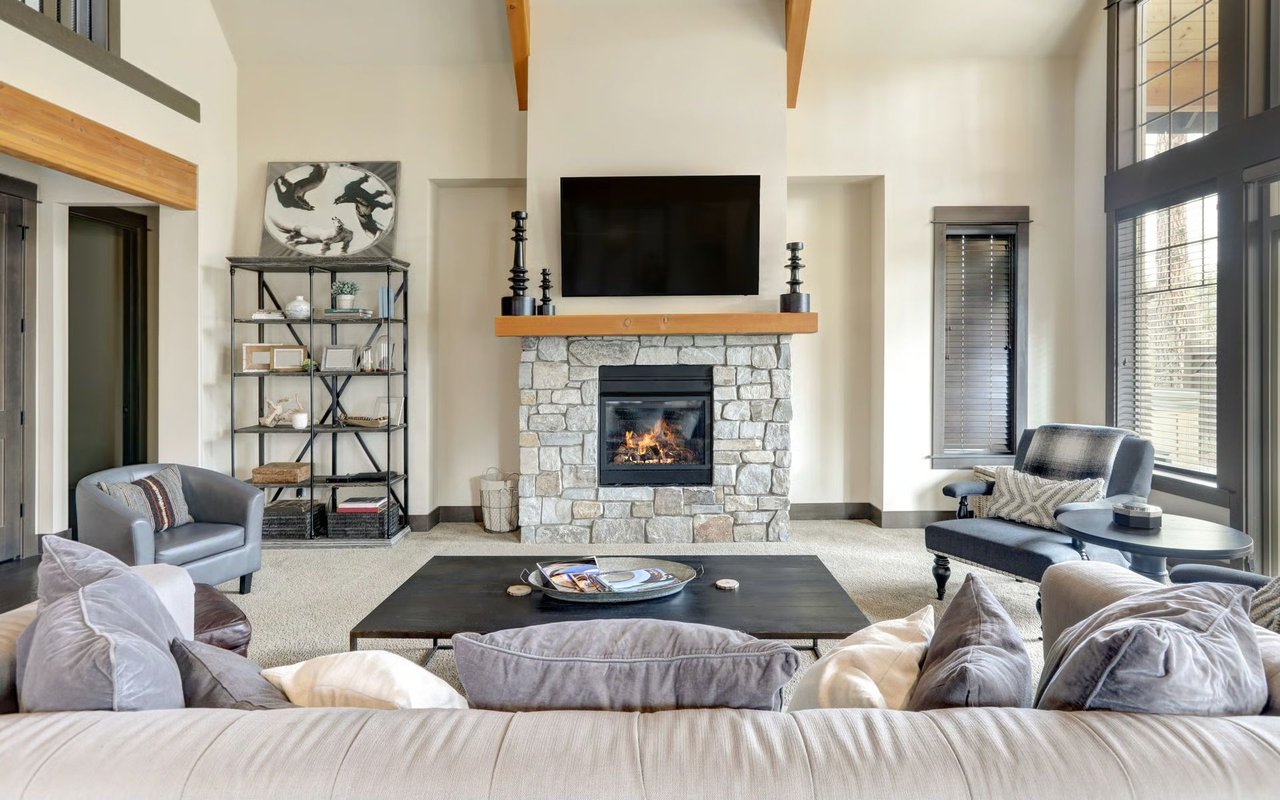
Layering lighting involves using a combination of ambient, task, and accent lighting to create a well-balanced and visually appealing space. Each layer serves a different purpose and contributes to the room's overall illumination. For example, in a living room, you might use a ceiling fixture for ambient lighting, table lamps for task lighting, and wall sconces to highlight artwork.

Choose the Right Bulbs
The type of bulbs you use can significantly impact the quality of light in a room. Consider the following factors when choosing bulbs:
- Color Temperature: Measured in Kelvins (K), color temperature affects the warmth or coolness of the light. Warm light (around 2700K-3000K) creates a cozy atmosphere, while cool light (around 4000K-5000K) is more energizing and works well in kitchens and bathrooms.
- Brightness: Measured in lumens, brightness determines how much light a bulb emits. Choose brighter bulbs for large or dark spaces and softer bulbs for smaller, intimate areas.
- Energy Efficiency: LED bulbs are energy-efficient and long-lasting, making them a cost-effective choice for home lighting.
 Use Dimmers
Installing dimmer switches allows you to adjust the brightness of your lights, providing flexibility and control over the ambiance of a room. Dimmers are particularly useful in living rooms, dining rooms, and bedrooms, where you might want to create different moods at different times of the day.
Highlight Architectural Features
Use accent lighting to highlight architectural features such as fireplaces, alcoves, or built-in shelving. This not only draws attention to these elements but also adds depth and interest to the room. Recessed lights, spotlights, and wall sconces are effective options for accent lighting.

Illuminate Artwork and Decor
Accent lighting can also be used to showcase artwork, sculptures, and decorative items. Picture lights, track lighting, and spotlights can be positioned to highlight these pieces, creating focal points that enhance the room's aesthetic appeal.
Maximize Natural Light
Natural light is one of the most desirable features in a home. To maximize it, keep windows clean and free of obstructions. Use light, sheer curtains to allow sunlight to filter into the room while maintaining privacy. Mirrors and other reflective surfaces can help bounce natural light around the room, making it feel brighter and more spacious.

Use Floor and Table Lamps
Floor and table lamps are versatile lighting options that can be easily moved and adjusted to suit different needs. They provide additional task lighting and can be used to fill in dark corners or add warmth to a room. Choose lamps that complement your decor and place them strategically to enhance the room's overall illumination.
Consider the Room’s Function
Different rooms have different lighting needs based on their function. For example:
- Living Room: Use a combination of ambient lighting (ceiling fixtures), task lighting (table lamps), and accent lighting (wall sconces) to create a comfortable and versatile space.
- Kitchen: Bright, even lighting is essential for cooking and food preparation. Use a combination of recessed lights, under-cabinet lights, and pendant lights over islands or dining areas.
- Bedroom: Create a relaxing atmosphere with soft, warm lighting. Use bedside lamps for reading and ambient lighting for overall illumination. Consider adding a dimmer switch for flexibility.
- Bathroom: Bright, even lighting is important for grooming tasks. Use vanity lights around mirrors and overhead lighting to ensure the space is well-lit.
 Outdoor Lighting
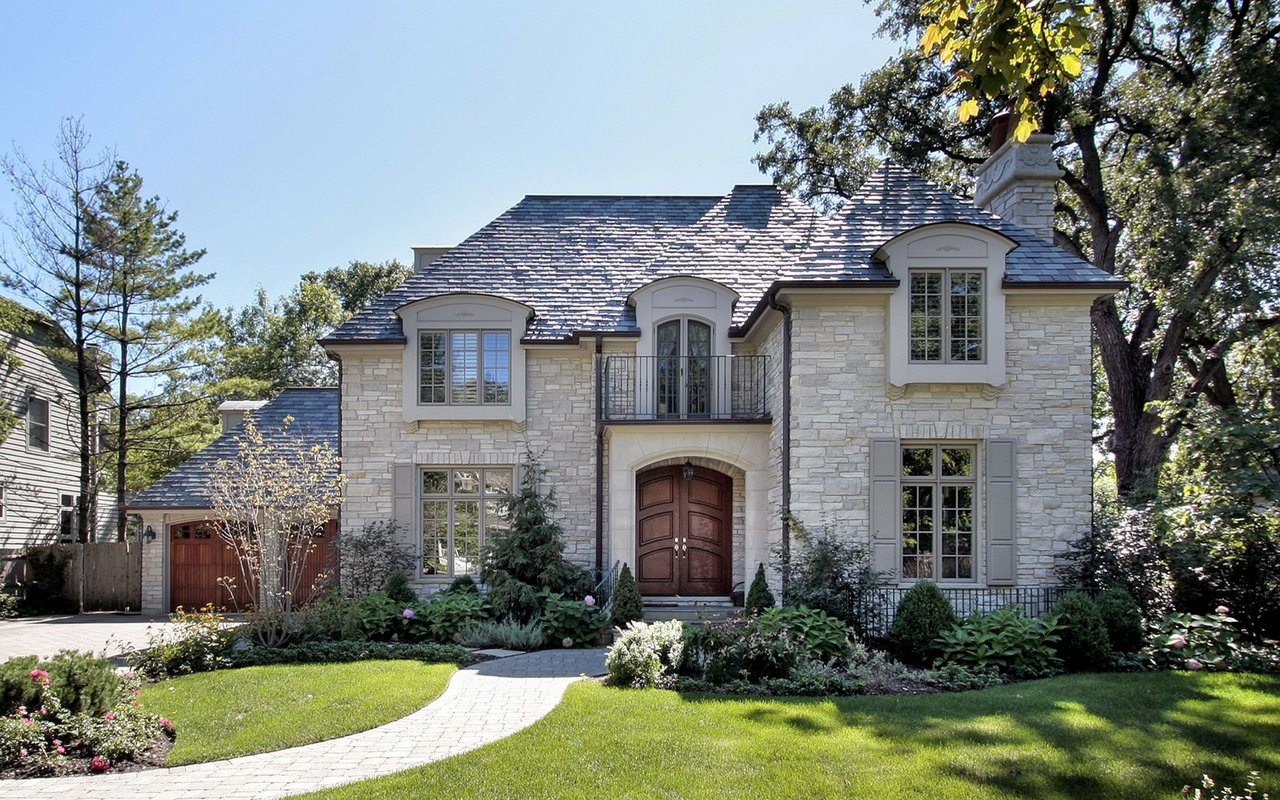
Don’t forget about outdoor lighting, which can enhance your home’s curb appeal and provide safety and security. Use pathway lights to illuminate walkways, spotlights to highlight landscaping, and porch lights to create a welcoming entrance. Motion-sensor lights can also provide added security around your property.
 Conclusion
Lighting is a powerful tool in home staging and interior design, capable of transforming a space and enhancing its appeal. By understanding the different types of lighting and how to use them effectively, you can create a welcoming and visually pleasing environment that highlights your home's best features. Whether you're preparing to sell or simply looking to refresh your living space, strategic lighting can make a significant difference in the overall ambiance and functionality of your home.

Remember to evaluate your existing lighting, layer different types of lighting, choose the right bulbs, and maximize natural light. Use accent lighting to highlight architectural features and artwork, and consider the function of each room when planning your lighting design. With these tips, you can enhance your home's appeal and create a space that is both beautiful and functional.