You can learn a lot about a place by how an ordinary Tuesday feels. In Bowmanville, day-to-day life tends to be practical, local, and a little more relaxed than many busier parts of the GTA. If you are wondering what it is really like to live here, this guide will walk you through the rhythm of errands, commuting, housing, parks, and everyday convenience. Let’s dive in.
Bowmanville feels local
One of the clearest things about Bowmanville is that it still has a real town core. Historic Downtown Bowmanville runs along King Street, also known as Highway 2, and the local BIA says the downtown has almost 200 shops, restaurants, and services. Many of the buildings date back to the town’s 19th-century era, which helps give the area an older, more walkable feel.
That matters in daily life because many of your regular stops can happen close to home. Clarington’s Bowmanville East Urban Centre Secondary Plan includes the historic downtown, the east business district, Bowmanville Mall, Lakeridge Health Bowmanville Hospital, businesses, services, government offices, and creek valley lands in the broader core area. In plain terms, Bowmanville is set up so that many errands do not have to turn into a cross-region trip.
Everyday errands stay close
If you picture a normal week, Bowmanville covers a lot of the basics locally. The Municipal Administrative Centre is on Temperance Street, Emergency and Fire Services are on Church Street, and the Bowmanville Library is also on Church Street. The library adds practical value too, with free wi-fi, computer stations, and meeting rooms.
Healthcare is also part of the local routine here. Lakeridge Health Bowmanville Hospital on Liberty Street South is a full-service community hospital and home to the Regional Eye Centre. For many buyers, that kind of nearby service adds peace of mind to the daily experience of living in town.
There is also a modest but meaningful arts and culture layer woven into the area. Clarington highlights places like Waverley Place, the Sarah Jane Williams Heritage Centre, and the Visual Arts Centre of Clarington. You may not move here for a big-city arts scene, but you do get community spaces that add texture to everyday life.
Commuting is still car-and-bus based
If you work outside Bowmanville, the commute is an important part of the picture. Right now, Bowmanville is still largely a car-and-bus community. Highway 401 access is a major part of how people move through the area, and road corridors like King Street and Bowmanville Avenue help anchor daily driving patterns.
For transit users, GO service in Bowmanville is currently bus-based rather than rail-based. GO Transit lists the Clarington Blvd. at Durham Highway 2 Bowmanville Park & Ride, which includes free parking and connections with Durham Region Transit. GO also lists a bus stop at King Street East and Liberty Street.
Local transit is provided by Durham Region Transit, and current routes serving Bowmanville include 502, 505, and 902. That gives you options, but it is fair to say daily travel still leans heavily on driving or combining bus service with a wider regional trip. For some buyers, that works well. For others, it is something to weigh carefully against work location and routine.
Rail is part of Bowmanville’s future
There is also a clear long-term transit story here. Metrolinx is actively building the Bowmanville GO rail extension, which is planned to add 18.7 kilometres to the Lakeshore East line. Metrolinx says the extension will support two-way, all-day service and reduce in-vehicle travel time from Bowmanville to Union Station by 15 minutes compared with the current GO bus plus transfer at Oshawa.
Metrolinx also says the extension is expected to serve about 17,000 daily riders by 2041. That does not change your commute today, but it does shape how many people think about Bowmanville’s future. If you are buying with a longer time horizon, this is one of the more important pieces of the local lifestyle picture.
Outdoor life is easy to access
Bowmanville’s daily rhythm is not only about roads and errands. Parks, trails, and green space are a big part of how people spend free time here. Clarington says it offers more than 20 kilometres of off-road recreational trails, with most of them in creek valleys and along the waterfront.
One standout is the Bowmanville Valley Trail extension, which links the Baseline Road area south under Highway 401 to the Waterfront Trail. That connection makes lake access part of the local walking and cycling pattern, rather than something that feels far away or separate from town life.
For people who like nature close by, Bowmanville Westside Marshes adds another layer. CLOCA describes it as habitat for nesting birds and an important stopover point for migrating waterfowl and shorebirds. In everyday terms, that means you have places nearby where a short walk can feel quieter and more removed from the usual suburban pace.
Recreation is growing
For many households, recreation options shape the feel of a community just as much as housing does. Bowmanville Memorial Park offers a classic neighbourhood park setup with a playground, splash pad, baseball and softball diamonds, picnic tables, parking, and washrooms. It is the kind of place that supports regular routines, not just special outings.
Clarington is also expanding recreation infrastructure. The first phase of trails at a 13.7-hectare municipal park on the former Bowmanville Zoo lands is underway, with a public opening planned for later in summer 2026. The first phase is designed as an everyday walking and cycling space.
More facilities are on the way too. The planned South Bowmanville Recreation Centre is set for a phase 1 opening in 2026 and is expected to include a multi-sport dome, indoor walking track, courts, and multipurpose rooms. Residents also already have access to the Alan Strike Aquatic and Squash Centre for pool and squash use.
Housing feels suburban today
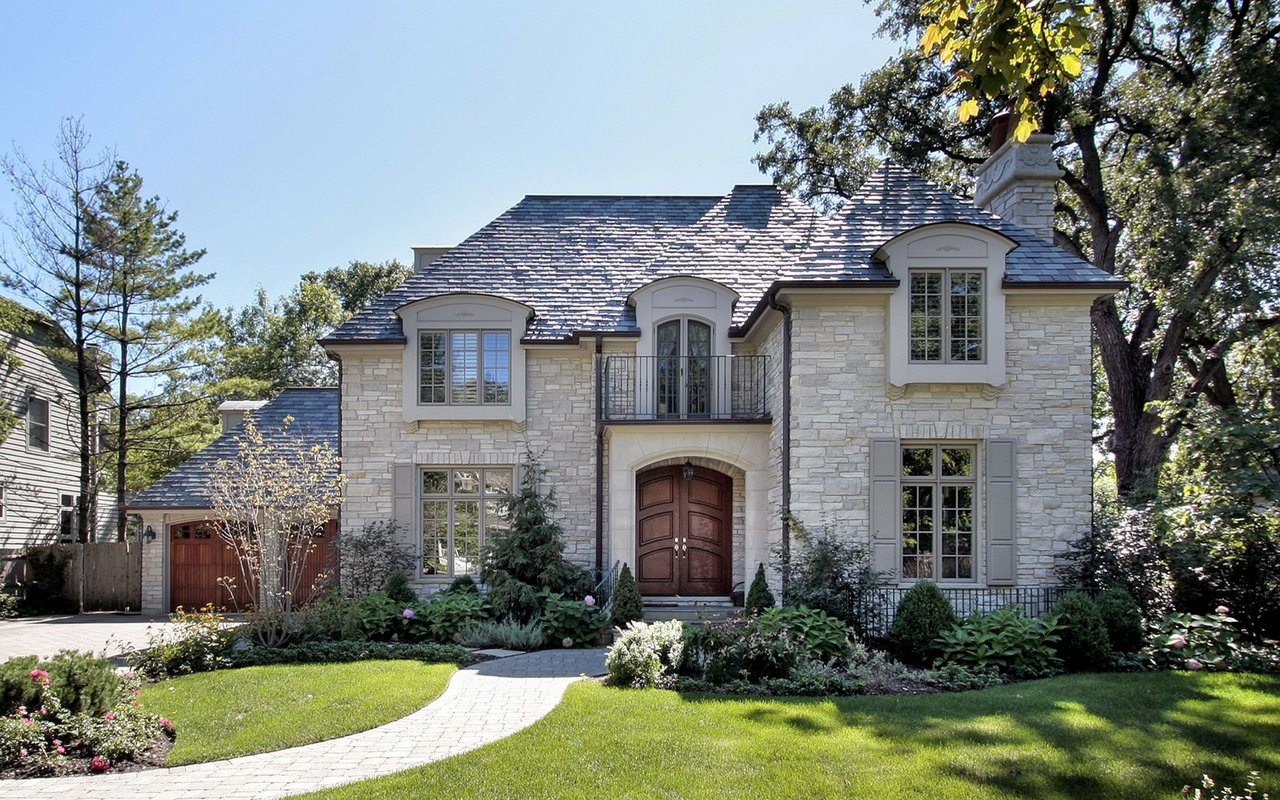
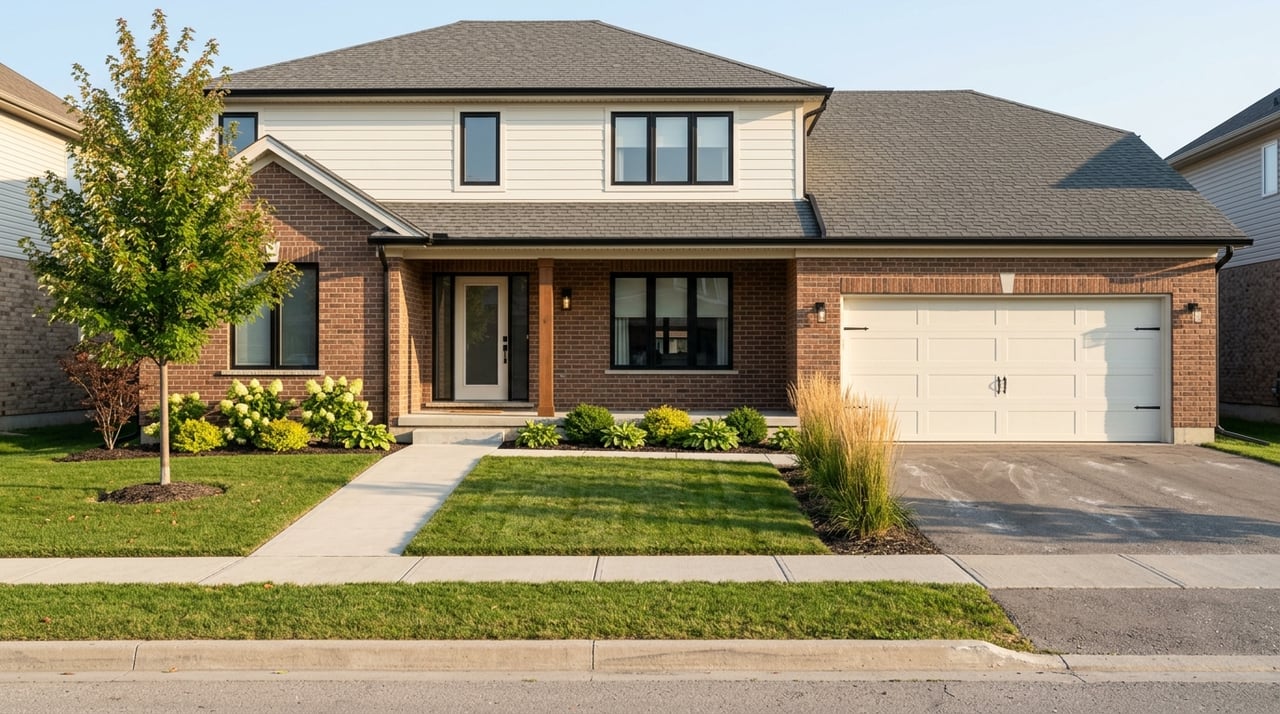
If you are trying to picture what homes look like in Bowmanville, the numbers tell a pretty clear story. In the 2021 census profile for Bowmanville-Newcastle, 70.9 percent of homes were single-detached houses. Row houses made up 10.2 percent, apartments in buildings under five storeys made up 9.3 percent, semi-detached houses made up 4.5 percent, and apartments in duplexes made up 2.3 percent.
Average dwellings had 6.7 rooms, which lines up with a more suburban housing profile. If you are looking for space, driveways, and detached-home neighbourhoods, Bowmanville has a lot of that feel. It is one reason the area often appeals to buyers looking for a move from a smaller home or a denser urban setting.
Around the historic core, the built form shifts a bit. Clarington describes historic Bowmanville’s side streets as being characterized by predominantly one- to two-and-a-half-storey brick residences, while the historic commercial core on King Street West is made up largely of one- to three-storey brick storefronts. That older fabric gives parts of Bowmanville a different character than newer suburban sections.
More housing variety is coming
While detached homes still define much of Bowmanville today, planning directions show a broader mix ahead. The Bowmanville East Urban Centre plan calls for a mix of residential, commercial, employment, open space, and institutional uses. Clarington’s Bowmanville West planning also points to a diversity of housing, shopping, services, open spaces, and boulevards.
Current proposals on Bowmanville Avenue include apartment buildings and townhouses. That does not mean Bowmanville stops feeling suburban, but it does suggest more housing choice over time. For buyers thinking about first purchases, downsizing, or a future move within the same community, that added variety could become increasingly important.
The population mix supports different life stages
Bowmanville is not a one-stage-of-life community. In 2021, the Bowmanville-Newcastle population centre had 11,690 residents age 0 to 14 and 8,815 residents age 65 and older. That points to a place where different household needs exist side by side.
In practical terms, you will see that in the kinds of homes, parks, services, and amenities that matter locally. Some people are looking for more room and easier commuting patterns. Others are thinking about simpler layouts, nearby healthcare, and a community that still feels connected and manageable.
What living in Bowmanville really feels like
The simplest way to describe Bowmanville is this: it is a main-street community inside a car-friendly suburban frame. You can handle many errands locally, enjoy trails and parks without much effort, and still stay connected to the wider region. At the same time, commuting today still depends a lot on your car or a bus-based transit routine.
For many buyers, that balance is exactly the appeal. Bowmanville offers a mix of practical convenience, established neighbourhood feel, and a town core that still gives daily life some character. If you are considering a move here, the key is not just whether Bowmanville looks good on a map, but whether its everyday rhythm fits the way you want to live.
If you are thinking about buying or selling in Bowmanville, Fraser & Co. can help you make sense of the options with a clear, calm plan.
FAQs
What is day-to-day living in Bowmanville like?
- Day-to-day living in Bowmanville is a mix of local errands, suburban routines, and access to parks, trails, and a historic downtown area with almost 200 shops, restaurants, and services.
How do most people commute from Bowmanville?
- Commuting in Bowmanville is still mostly car-and-bus based, with Highway 401 access, GO bus service, a Park & Ride, and Durham Region Transit routes serving the area.
Does Bowmanville have a GO train station now?
- Bowmanville does not currently have GO rail service in operation, but Metrolinx is actively building the Bowmanville GO rail extension.
What kinds of homes are common in Bowmanville?
- Bowmanville housing is mostly single-detached, with 70.9 percent of homes in the Bowmanville-Newcastle population centre counted as single-detached in the 2021 census.
Are there parks and trails in Bowmanville?
- Bowmanville has access to more than 20 kilometres of off-road recreational trails in Clarington, along with local features like the Bowmanville Valley Trail extension, waterfront access, marshland conservation space, and neighbourhood parks.
Is Bowmanville a good fit for different stages of life?
- Bowmanville has a mixed population that includes both younger residents and older adults, along with housing, healthcare, recreation, and service patterns that support a range of household needs.